


Did you know that 1 in 4 Dachshunds may experience spinal disease during their lifetime? This is a shocking fact that shows how crucial it is to know about the dachshund health profile. Dachshunds, with their long bodies and short legs, face special health challenges that owners need to be aware of.
The dachshund breed health is shaped by their unique body shape. This shape makes them more likely to have certain health issues. From back problems to obesity risks, these small dogs need extra care to stay healthy. Knowing about common health issues in dachshunds can help you keep your pet happy and healthy.
Managing your Dachshund’s weight is key to their health. The 2015 DachsLife Survey showed that Miniature Dachshunds weighed about 5.8 Kg, while Standard Dachshunds weighed around 10.9 Kg. Keeping your Dachshund at the right weight is important to avoid putting too much strain on their backs and joints.
To keep your Dachshund healthy, regular exercise, a balanced diet, and routine vet visits are essential. By being informed about potential health issues and taking steps to prevent them, you can help your Dachshund live a long, comfortable life.
Key Takeaways
- Dachshunds are prone to spinal diseases, affecting 25% of the breed
- Weight management is crucial for Dachshund health
- Regular exercise helps prevent back issues in Dachshunds
- Balanced nutrition supports joint health in Dachshunds
- Early socialization can reduce behavioral problems in Dachshunds
- Routine vet check-ups are essential for preventive care
Understanding the Dachshund Breed
The dachshund breed is a beloved companion known for its unique appearance and lively personality. These small dogs pack a big punch in terms of character and charm. Let’s dive into the fascinating world of dachshunds and explore what makes them so special.
Origin and Breeding History
Dachshunds were originally bred in Germany for hunting badgers. Their long, low bodies were perfect for burrowing into tight spaces. Today, they’re popular pets worldwide, ranking high on most popular dog lists in the U.S. since the 1950s.
Unique Physical Characteristics
Dachshunds come in two sizes: standard and miniature. Standard dachshunds weigh 16-32 pounds and stand 8-9 inches tall. Their miniature counterparts weigh under 11 pounds and are just 5-6 inches tall. These pups sport three coat varieties: smooth, longhaired, and wirehaired.
Temperament and Personality Traits
Known for their lively and affectionate nature, dachshunds make excellent companions. They’re loyal to their families but can be stubborn due to their hunting instincts. Their protective nature may lead to excessive barking, a trait to consider when choosing this breed.
| Characteristic | Details |
|---|---|
| Lifespan | 12-16 years |
| Common Ailments | IVDD, obesity, dental issues |
| Exercise Needs | Moderate, daily walks |
| Grooming | Varies by coat type |
While dachshunds are generally healthy, they’re prone to certain health issues. Up to 25% may develop Intervertebral Disc Disease (IVDD) in their lifetime. Regular check-ups and proper care can help ensure a long, happy dachshund lifespan.
Common Health Concerns in Dachshunds
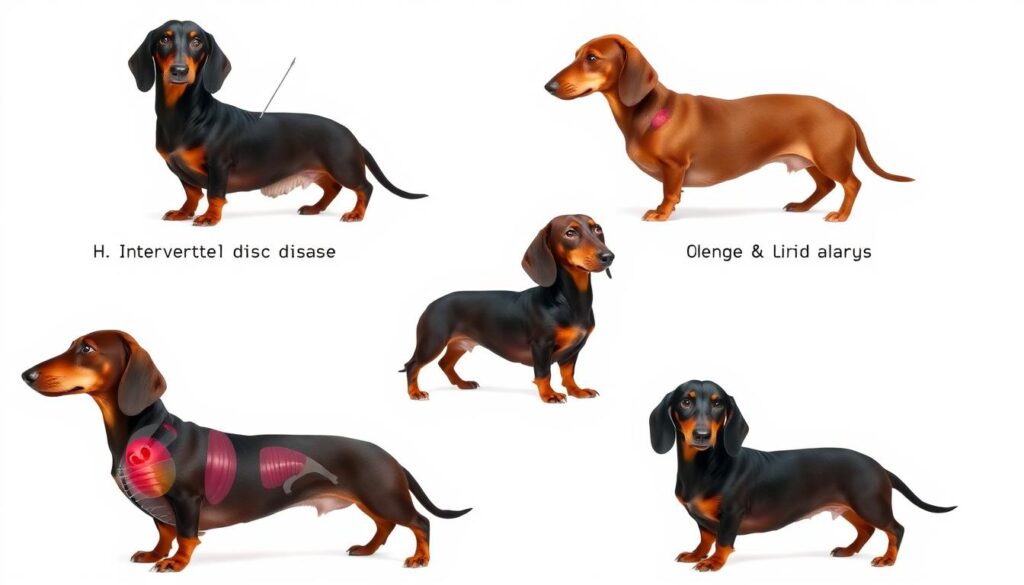
Dachshunds have a special body shape that makes them prone to certain health issues. Their long backs and short legs put them at risk for back problems. Intervertebral disc disease (IVDD) is a big worry for this breed.
Hip dysplasia is another common problem for Dachshunds. It’s caused by their body shape and genetics. You can’t stop it completely, but keeping your dog at a healthy weight and exercising them can help slow it down. Luxating patella, where the kneecap slips out of place, is also common in Dachshunds.
Keeping your dog’s teeth clean is very important. Regular brushing can prevent dental disease. This disease can harm their overall health if not treated. Dachshunds are also at risk for eye problems due to genetic disorders. So, it’s crucial to take them for regular check-ups.
| Health Concern | Description | Management |
|---|---|---|
| IVDD | Spinal disc issues | Weight control, limited jumping |
| Hip Dysplasia | Joint malformation | Exercise, weight management |
| Dental Disease | Tooth and gum problems | Regular brushing, dental check-ups |
Knowing about these common health issues in Dachshunds helps you care for them better. Regular vet visits, a balanced diet, and the right amount of exercise are essential. These steps will help keep your Dachshund healthy and happy. Dachshund Physical Characteristics, such as their long body and short legs, can also predispose them to certain health problems, such as back issues and obesity. It’s important to be aware of these potential issues and take proactive steps to prevent them. Maintaining a healthy weight and providing appropriate support for their back can help mitigate these risks. Regularly inspecting and cleaning their ears, which are another characteristic of Dachshunds, can also help prevent ear infections and related health issues.
Intervertebral Disc Disease (IVDD) in Dachshunds
Intervertebral disk disease is a big health issue for Dachshunds. It affects about 19 to 24 percent of them. This is much higher than other breeds. It can cause a lot of pain and even paralysis, so it’s important for owners to know the risks and symptoms.
Symptoms and Diagnosis
Spotting IVDD early is crucial for treatment. Look out for these signs:
- Lethargy and not wanting to play
- Walking clumsily
- Having trouble climbing stairs or getting up
- Loss of bladder and bowel control
If you see these signs, get your vet’s help right away for a diagnosis.
Treatment Options
Treatment for Dachshund back problems depends on how bad it is. For mild cases, non-surgical treatment might work. But for more serious cases, surgery is needed. Surgery can cost about $5,000, which is a big deal for some owners.
Prevention Strategies
To prevent IVDD in Dachshunds, try these:
- Keep them at a healthy weight to ease spine stress
- Use a harness instead of a collar for walks
- Use ramps or steps to avoid jumping
- Make sure they get regular, moderate exercise (30-60 minutes daily)
By following these steps, you can lower the risk of IVDD and keep your Dachshund healthy.
| IVDD Risk Factors | Impact on Dachshunds |
|---|---|
| Age | Higher risk in older dogs |
| Neutering status | Increased risk in neutered dogs |
| Exercise duration | Less than 30 min/day increases risk |
| Activity level | Highly active dogs have lower risk |
Obesity Risks and Management
Dachshund obesity is a big problem that can hurt your pet’s health and life span. These cute dogs are easy to gain weight, which can make their back problems worse. It’s important to know the signs of obesity in dachshunds to manage their weight well.
To check if your dachshund is at a good weight, feel their ribs. They should be easy to feel but not seen. Obesity signs include fat over the back and tail, and no waist. Studies say up to 40% of pets are obese, making it a common issue.
Managing your dachshund’s weight means controlling portions, eating a balanced diet, and exercising regularly. Aim for a 1-3% weight loss each week for overweight dachshunds. High-protein diets help lose fat while keeping muscle.
“Dogs with an ideal body condition score lived a median of 1.8 years longer than slightly overweight counterparts.”
To fight obesity in dachshunds, try these tips:
- Feed meals instead of letting them eat all day to control calories
- Give regular, easy exercises that fit dachshunds
- Keep an eye on your dog’s weight and body shape often
- Get advice from your vet for a weight plan that fits your dog
Keeping your dachshund at a healthy weight can make them live longer and happier. It also lowers the chance of obesity-related health problems.
Dental Health in Dachshunds
Dachshund dental care is key to keeping your furry friend healthy. These cute dogs often face dental problems. So, regular oral care is very important.
Common Dental Issues
Dachshunds, like many small breeds, can have dental issues. Over 80% of dogs over three have dental disease. More than two-thirds of adult dogs suffer from periodontal disease.

Proper Dental Care Routine
Brushing your dachshund’s teeth daily is crucial. Use dog toothpaste and start early. Dental chews and special diets can also help.
- Brush your dachshund’s teeth daily
- Provide dental chews for additional cleaning
- Consider dental diets to support oral health
Professional Dental Cleanings
Regular vet cleanings are vital for dachshund dental care. These cleanings need anesthesia and remove tartar. Your vet will suggest cleanings based on your dog’s needs.
| Dental Issue | Prevalence | Prevention |
|---|---|---|
| Periodontal Disease | 80-89% in dogs over 3 years | Daily brushing, professional cleanings |
| Tooth Decay | Less than 10% of dental problems | Regular dental check-ups |
| Tooth Fractures | Common due to chewing hard objects | Avoid giving hard chew toys or bones |
By focusing on your dachshund’s dental health, you can avoid serious problems. This ensures a happy, healthy pet for many years.
Genetic Health Issues in Dachshunds
Dachshunds face several hereditary conditions that owners should be aware of. These cute dogs have unique health challenges because of their body shape and genetics.
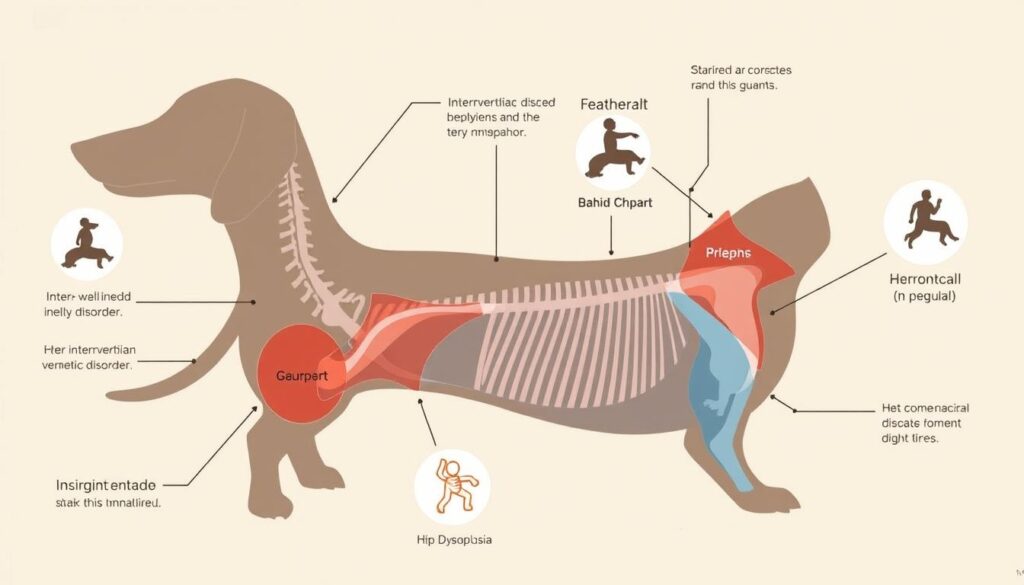
Intervertebral Disc Disease (IVDD) is a common issue in Dachshunds. It affects all types and can be serious. Signs include sudden limping, accidents, or refusing treats.
Progressive Retinal Atrophy (PRA) can cause vision loss. While rare, DNA tests can spot affected dogs. Regular eye exams are key for early detection.
Pes Varus is a bone deformity that makes a dog’s legs bow. Though rare, it can affect their mobility and happiness.
- Sarcoglycan Deficient Muscular Dystrophy (SDMD) mainly affects Miniature Smooth and Long Haired Dachshunds
- Lafora Disease is a concern for Miniature Wire Haired Dachshunds, typically appearing in dogs aged 5 or older
- Hip dysplasia and patella luxation can also occur, affecting a Dachshund’s mobility
Knowing about these genetic health issues helps owners care for their Dachshunds better. Regular vet visits and genetic tests are important for early detection and management.
Eye Problems in Dachshunds
Dachshund eye problems can worry pet owners a lot. These dogs are at risk for many eye issues, some of which can cause blindness if not treated. It’s important to know about these problems and their signs to keep your Dachshund’s eyes healthy.
Progressive Retinal Atrophy
Progressive retinal atrophy in dachshunds is a genetic issue that affects both eyes. It comes in two types: cone-rod dystrophy 1-PRA (cord1-PRA) and cone-rod dystrophy PRA (crd-PRA). Testing for cord1-PRA is available, which helps breeders prevent it.

Other Common Eye Conditions
Dachshunds can also get cataracts and glaucoma. These can make their eyes uncomfortable and affect their vision. Catching these early through regular vet visits is crucial for managing them well.
Regular Eye Examinations
Getting your dachshund’s eyes checked regularly is essential. Your vet can spot signs of PRA, like big pupils or trouble seeing in the dark. These visits also catch other problems early.
| Eye Condition | Symptoms | Detection Method |
|---|---|---|
| Progressive Retinal Atrophy | Night blindness, dilated pupils | Genetic testing, ophthalmoscopic exam |
| Cataracts | Cloudy eyes, vision changes | Regular eye exams |
| Glaucoma | Eye pain, redness, vision loss | Tonometry (eye pressure test) |
Dachshund Health Profile: Essential Information
Dachshunds are loved pets with special health needs. Their long bodies and short legs make them more likely to get certain health issues. Knowing about these problems is important for your dachshund’s health and long life.
It’s important to do regular health checks on dachshunds. These tests can find health problems early, which helps with treatment. Eye exams, spine checks, and tests for genetic diseases like Progressive Retinal Atrophy are key to a good health plan.

Dachshunds can live between 12 to 16 years on average. But, with the right care, some can live up to 20 years or more! To help your dachshund live a long life, focus on these areas:
- Keeping them at a healthy weight to avoid spine problems
- Brushing their teeth daily to prevent cavities
- Exercising them regularly, considering their body shape
- Going to the vet regularly for health checks
Intervertebral Disc Disease (IVDD) is a big worry for dachshunds. It can cause a lot of pain and even make them unable to move. Avoiding jumps and using ramps can lower the risk of IVDD.
By focusing on preventive care and watching your dachshund’s health closely, you can help them live a long, joyful life.
Musculoskeletal Health Concerns
Dachshunds have special body shapes that lead to musculoskeletal issues. It’s key to know about these problems to keep your pet healthy and happy.
Patellar Luxation
Patellar luxation is when the kneecap slips out of place in dachshunds. You might see them limping or moving strangely. Taking them to the vet regularly can help spot this early.
Hip Dysplasia
Hip dysplasia is less common but can still happen in dachshunds. It affects the hip joint, causing pain and making it hard to move. Vets use X-rays to diagnose it.
Strengthening Exercises
Exercises can help prevent musculoskeletal problems in dachshunds. Swimming and walking are good because they strengthen muscles without harming joints. Always talk to your vet before starting new exercises.
| Exercise | Benefits | Frequency |
|---|---|---|
| Swimming | Low-impact, full-body workout | 2-3 times per week |
| Gentle walks | Maintains muscle tone, joint flexibility | Daily, 15-20 minutes |
| Balance exercises | Improves coordination, core strength | 2-3 times per week |
A study by Bowen et al. (2019) found a connection between joint hypermobility and excitement in dogs. This shows why managing musculoskeletal issues is important for both physical and mental health.
Nutrition and Diet for Dachshund Health
Keeping your sausage dog healthy starts with the right food. A balanced diet is key for their unique body and health. Let’s look at what your dachshund needs to stay happy and healthy.
Dachshunds need lots of high-quality protein. The Association of American Feed Control Officials says 22% of their diet should be protein. Good sources are fish, poultry, lean beef, and lamb. These help keep their muscles strong and support their health.
Omega-3 fatty acids are also crucial for dachshunds. They help with joint health, boost their immune system, and keep their skin and coat healthy. Adding salmon or fish oil to their diet can provide these benefits.
| Nutrient | Benefits | Sources |
|---|---|---|
| Protein | Muscle maintenance, overall health | Fish, poultry, lean beef, lamb |
| Omega-3 fatty acids | Joint health, immunity, skin and coat | Salmon, fish oil, sardines |
| Bone broth | Joint support, protein boost | Chicken, beef, turkey broth |
When picking food for your dachshund, avoid artificial stuff. Choose high-quality food that meets their needs. Some brands have special formulas, like bone broth pour-overs, for their health.
Remember, controlling portions is important. Dachshunds can easily get too fat, which is bad for their backs. Follow the serving sizes and adjust based on their activity and weight.
Exercise Requirements for Dachshunds
It’s key to know what exercise dachshunds need to stay healthy and happy. These lively dogs need regular activity to stay in shape and avoid health problems.
Appropriate Exercise Routines
Dachshunds need exercise that fits their special body shape. A healthy adult dachshund should get at least 30 minutes of exercise every day. Puppies need 5 minutes of activity for each month of age, twice a day. Older dachshunds do well with 30 minutes of exercise, split into shorter times.
Avoiding High-Impact Activities
To keep their long backs safe, avoid high-impact exercises. Choose gentle activities like short walks, supervised play, and swimming. These low-impact activities help keep them fit without risking injury.
Mental Stimulation
Dachshunds love mental challenges. Add puzzle toys, training sessions, and scent work to their routine. This keeps their minds active and prevents boredom.
| Dachshund Type | Minimum Daily Exercise | Average Height | Average Weight |
|---|---|---|---|
| Standard | 1 hour | 20-27cm | 9-12kg |
| Miniature | 30 minutes | 13-18cm | 4.5-5kg |
Regular exercise is not just for fitness. It also helps prevent back problems like IVDD. Aim for an hour of exercise daily to meet their energy needs and keep them healthy.
Preventive Care and Regular Check-ups
Dachshund preventive care is key to keeping your furry friend healthy and happy. These dogs can live up to 16 years, making them great companions for a long time. Regular vet visits are crucial, especially since they often face health issues like Intervertebral Disc Disease (IVDD), affecting about 25% of the breed.
Because of their unique shape, dachshunds are at risk for obesity, dental problems, and joint issues. To keep them healthy, take them to the vet at least once a year. For older dogs, this should be twice a year. These visits help catch health problems early and keep your dachshund feeling great.
Good nutrition is also important for dachshund care. Feed them high-quality food in two or three meals a day. Watch their calorie intake to avoid obesity. Remember, dental care is also essential. Brush their teeth regularly and get professional cleanings to prevent dental diseases. By following these steps and watching your dachshund’s health closely, you can help them live a long, happy life.

