


Have you ever wondered why Cavoodles are so popular in Australian homes? These dogs are a mix of Cavalier King Charles Spaniels and Poodles. They make great pets because they are both loving and easy to fit into family life.
Cavoodles are known for being gentle and easy to adapt to different homes. They do well in small spaces, like apartments or houses with tiny backyards. They are smart and love to please, making them fun to train. Plus, their coat is hypoallergenic, which is great for people with allergies.
The Cavoodle temperament is truly special. They become more than just pets; they become part of the family. They offer endless love and companionship. Their calm yet playful nature is perfect for families with kids, helping them feel confident and learn responsibility.
Key Takeaways
- Cavoodles are Australia’s most popular small designer dog
- They are suitable for various living spaces, including apartments
- Cavoodles have hypoallergenic coats, ideal for allergy sufferers
- They help boost children’s self-esteem and teach responsibility
- Cavoodles are known for their gentle and adaptable nature
- They come in various sizes, colors, and personalities
- Reputable breeders prioritize health checks and vaccinations
Introduction to Cavoodles
Cavoodles have become a hit in the dog world. They win hearts with their cute looks and friendly nature. These dogs are a mix of Cavalier King Charles Spaniels and Poodles. This mix brings together intelligence and lots of love.
Origin and History
The cavoodle’s story began in the 1950s. There’s a debate about where they first appeared, the U.S. or Australia. They were made to be friendly, smart, and easy to care for.
Breed Characteristics
Cavoodles are great for families. They weigh 5.5 to 11.5 kg and grow to 28-35 cm tall. Their fur can be soft and hypoallergenic, thanks to the Poodle side.
| Trait | Description |
|---|---|
| Size | Small to medium |
| Weight | 5.5 – 11.5 kg |
| Height | 28 – 35 cm |
| Coat | Low-shedding, varies in texture |
| Temperament | Friendly, intelligent, adaptable |
Rising Popularity
Cavoodles are getting more popular, especially in Australia. They are known for being gentle, smart, and easy to adjust to different homes. They live for 10-14 years, bringing joy and companionship to their owners.
In Australia, a Cavoodle puppy can cost between $2,500 to $5,000 AUD. This price shows how much people want them. They can live in apartments or houses with yards, fitting into many lifestyles.
The Cavoodle Temperament
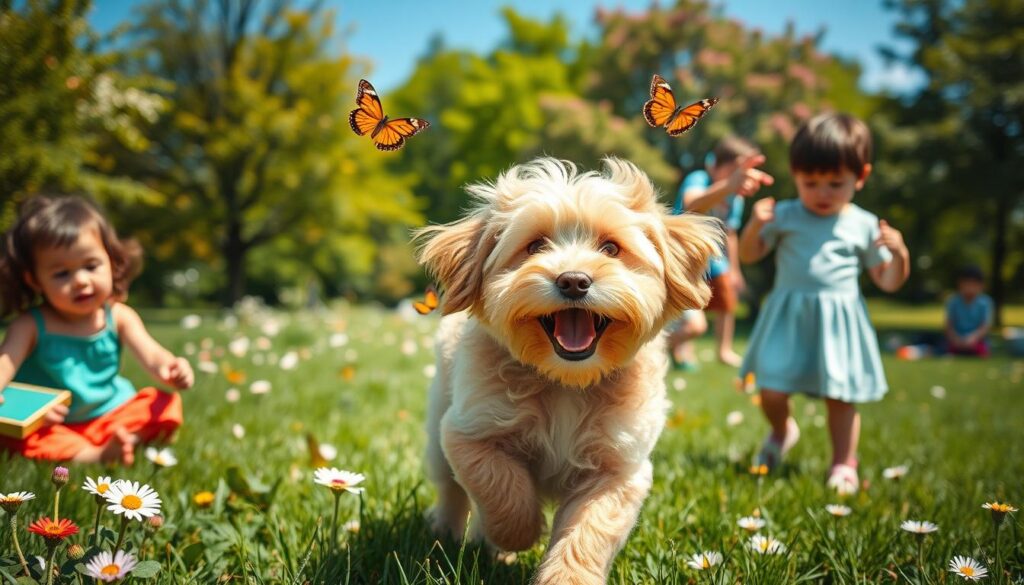
Cavoodles are known for their gentle temperaments, making them perfect family companions. These intelligent puppies quickly adapt to various households, bringing joy with their affectionate nature. Their even-tempered disposition sets them apart as ideal pets for families with children.
The cavoodle temperament is characterized by a blend of curiosity and alertness. They often serve as effective watchdogs, always ready to notify their owners of any unusual activity. This trait, combined with their friendly demeanor, makes them well-rounded companions.
Veterinarians and dog professionals frequently recommend Cavoodles as family pets due to their gentle nature around children. Their rising popularity stems from positive word-of-mouth from satisfied families who have welcomed these lovable pups into their homes. Cavoodle Behavior is characterized by their friendly and sociable nature, making them easy to train and a joy to be around. These intelligent and affectionate dogs thrive on human interaction, and their adaptable nature allows them to fit seamlessly into a variety of household dynamics. It is no wonder that Cavoodles have become a sought-after breed for families looking for a loyal and affectionate companion.
| Trait | Description |
|---|---|
| Temperament | Gentle, affectionate, even-tempered |
| Intelligence | High, easy to train |
| Sociability | Highly social, gets along well with other dogs |
| Energy Level | Moderate, enjoys family activities |
| Adaptability | Suitable for various living spaces |
Cavoodles crave attention and companionship, which can sometimes lead to separation anxiety. To prevent this, early socialization and training are crucial. Their intelligence makes them quick learners, eager to please their owners and adapt to new situations.
Physical Attributes of Cavoodles
Cavoodles are known for their adorable appearance and lovable personalities. Understanding their physical traits can help you decide if this breed is right for your family.
Size and Weight
Cavoodle size varies depending on the type. Toy Cavoodles stand 28-35cm tall and weigh 4.5-7kg. Mini Cavoodles reach 35-45cm and can weigh up to 12kg. They usually stop growing between 8-10 months old.
Coat Types and Colors
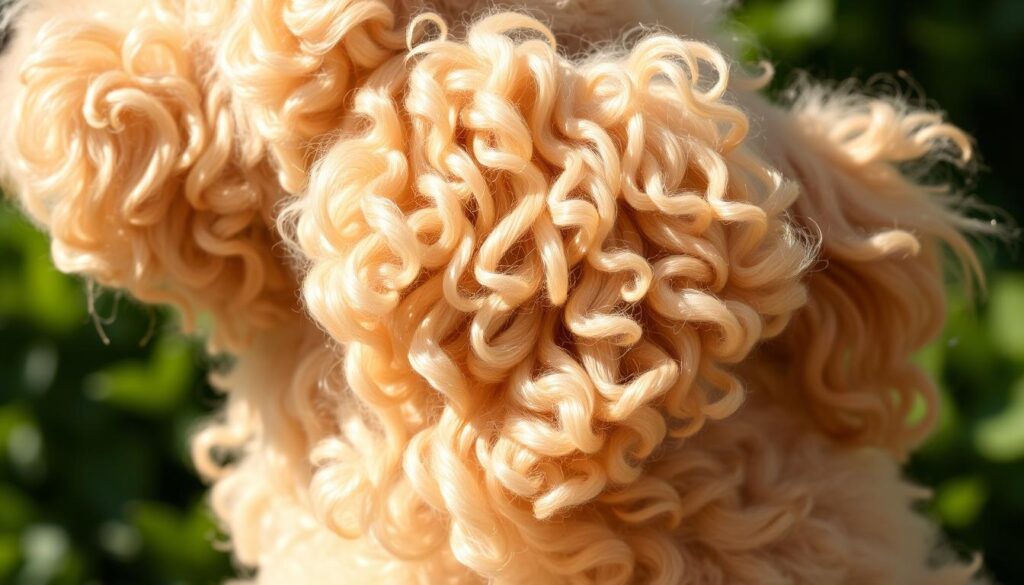
The cavoodle coat is a mix of its parent breeds. It can be silky like a Cavalier’s or curly like a Poodle’s. Colors range from red and brown to black, chestnut, and tricolor. Their coats grow continuously, requiring regular grooming.
Hypoallergenic Properties
Hypoallergenic cavoodles are popular among allergy sufferers. Their low to non-shedding coats produce fewer allergens than other breeds. This trait comes from their Poodle heritage, making them suitable for sensitive households.
| Cavoodle Type | Height | Weight |
|---|---|---|
| Toy Cavoodle | 28-35cm | 4.5-7kg |
| Mini Cavoodle | 35-45cm | Up to 12kg |
Cavoodles as Family Pets
Cavoodles are great family pets, blending love and companionship perfectly. They fit well in busy or quiet homes. Their gentle nature and moderate energy are perfect for families of all sizes.
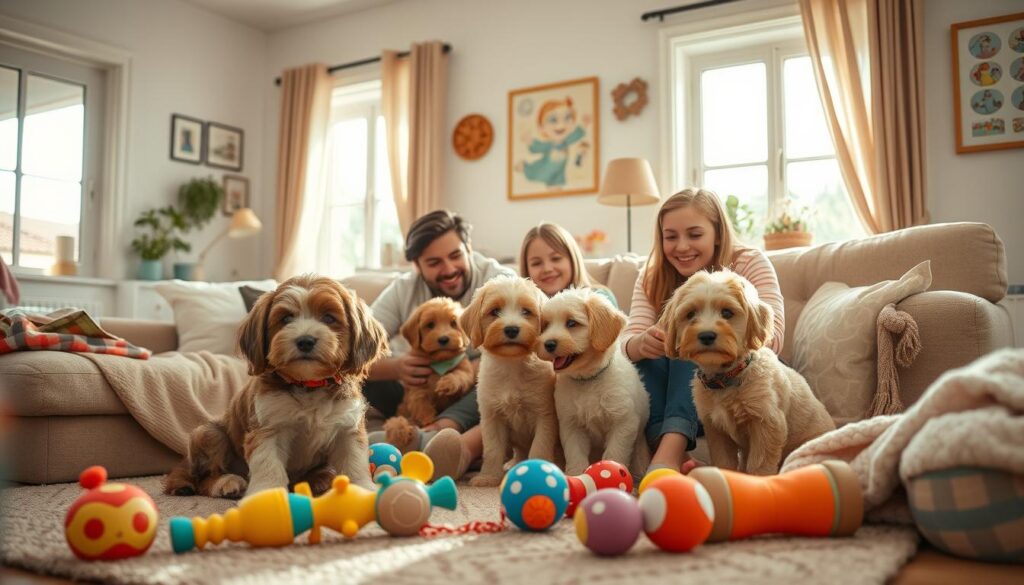
These dogs are smart and love to please, making them easy to train. They’re great for first-time dog owners. Their small size and low-shedding coats are also big pluses.
Cavoodles get along well with kids and other pets, though each one is unique. They’re alert and make good watchdogs, alerting you to visitors. They love to chase birds but usually stay close to their families.
“The most challenging part of owning a Cavoodle is going for a walk without being stopped by admirers.”
Cavoodles come in gold, ruby, and multi-colored coats with white markings. Their coats need regular grooming to stay beautiful. With the right care, they become loyal and loving friends for many years.
Adaptability to Different Living Spaces
Cavoodles are perfect for different homes. They fit well in small apartments and big houses. Their size and energy needs are just right.
Apartment Living
Living in an apartment is easy for Cavoodles. They are small, weighing 5-12 kg. Their fur doesn’t shed much, keeping your place clean.
They are smart and easy to train. Daily walks and playtime indoors keep them happy and healthy in the city.

Homes with Yards
Cavoodles love yards. They enjoy playing fetch and sunbathing. Their playful nature makes them great for outdoor fun.
They burn off energy and strengthen family bonds. This makes them perfect for homes with yards.
| Living Space | Advantages | Considerations |
|---|---|---|
| Apartment | Compact size, Low shedding, Quiet | Regular walks, Indoor playtime |
| House with Yard | Space for play, Outdoor exploration | Secure fencing, Supervision |
Cavoodles fit well in any home. They are friendly and don’t need too much exercise. With 30-60 minutes of play each day, they are happy anywhere.
Exercise Needs and Energy Levels
Cavoodles find the perfect balance in exercise and energy. They need moderate daily activity to stay healthy and happy. Your furry friend will do great with 30 to 60 minutes of exercise each day, keeping them fit without overwhelming you.
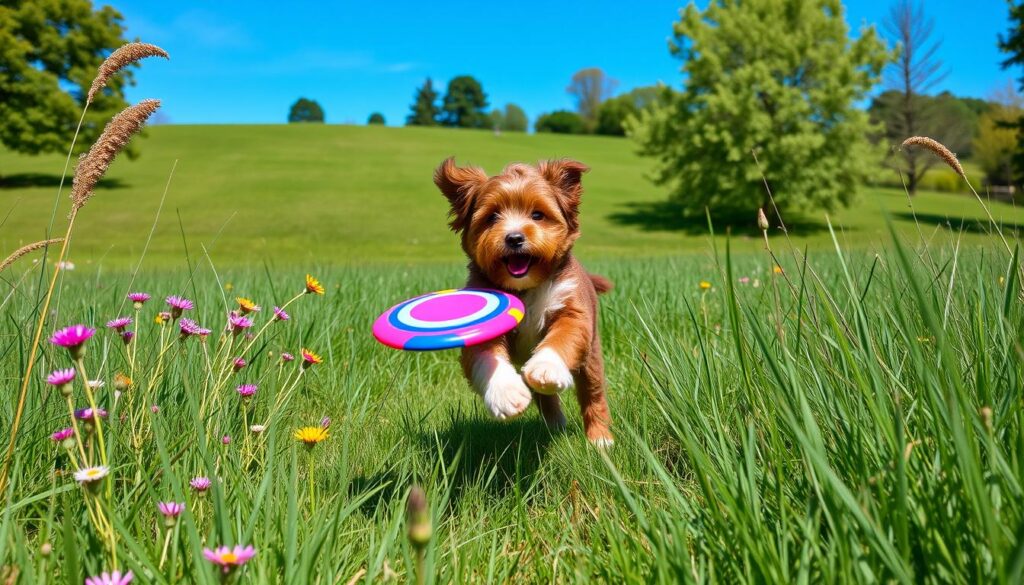
A brisk 30-minute walk is a great start for your cavoodle’s daily routine. Their energy levels can vary, so they might be happy with a short walk or want more playtime. Cavoodles are adaptable, making them perfect for different lifestyles.
To meet your cavoodle’s exercise needs, consider these fun activities:
- Fetch in the backyard
- Trips to the dog park
- Interactive indoor games
- Agility training
Remember, mental stimulation is just as important as physical exercise for this smart breed. Puzzle toys and training sessions keep their mind sharp and prevent boredom. By balancing physical activity with mental challenges, you’ll have a happy and well-rounded companion.
Grooming Requirements for Cavoodles
Cavoodle grooming is key for these cute, low-shedding dogs. They need regular care to stay looking good and feeling comfy.
Brushing and Coat Maintenance
Cavoodles can have either silky or curly coats. Silky coats need brushing and baths now and then. Curly coats need daily brushing to avoid mats.
Use a metal tooth comb and slicker brush weekly. This keeps their coat healthy and free of tangles.
Bathing and Nail Care
Bathe your Cavoodle every 2-3 weeks, or more if it’s hot. Trim their toenails every 2 weeks with dog nail clippers. As their nails grow, you might need to trim them more often.
Check their ears weekly. They should be pink, not red. Don’t use alcohol or water in their ears during baths.
Professional Grooming
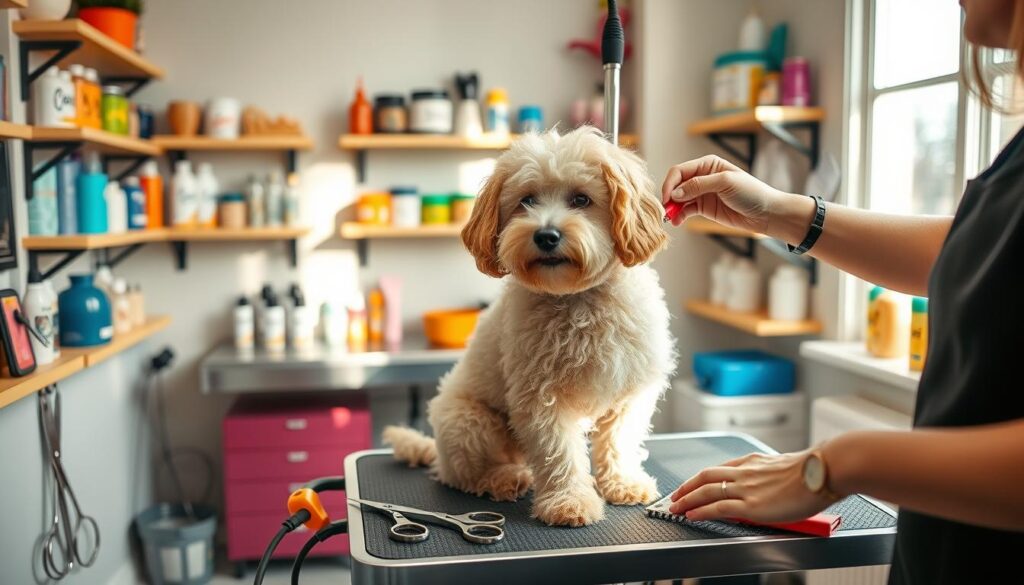
Take your Cavoodle for professional grooming every 6-8 weeks. Start grooming them between 16-18 weeks old. This makes their first grooming experience positive.
| Coat Type | Brushing Frequency | Bathing Frequency | Professional Grooming |
|---|---|---|---|
| Silky (Spaniel-like) | 1-2 times per week | Every 2-3 weeks | Every 6-8 weeks |
| Curly (Poodle-like) | Daily | Every 2-3 weeks | Every 6-8 weeks |
By following these grooming tips, your Cavoodle will look and feel amazing. Remember, regular grooming is important for these adorable dogs.
Training and Socialization
Cavoodle training and socialization are key for a well-adjusted pup. These smart crossbreeds learn fast but can be stubborn. Start early to shape their behavior and build confidence.
The critical period for cavoodle socialization is between 3 to 14 weeks. During this time, expose your puppy to various people, animals, and environments. This helps prevent fear and anxiety as they grow older.

Use positive reinforcement in your cavoodle training. Reward good behavior with treats and praise. Avoid harsh corrections, as cavoodles can be sensitive to loud noises and rough handling.
Consistency is key in training. Set clear rules and stick to them. Cavoodles are smart and may try to find loopholes, so stay firm but gentle.
“Most dogs are very impressionable when young and can learn to take everything in stride.”
Enroll your cavoodle in puppy school classes for structured socialization. These classes offer safe environments for puppies to interact and learn basic obedience.
| Socialization Activity | Benefits |
|---|---|
| Meeting new people | Builds confidence with strangers |
| Exposure to different sounds | Reduces noise sensitivity |
| Interaction with other dogs | Improves social skills |
| Visiting new places | Increases adaptability |
Remember, each cavoodle is unique. Some may be shy or anxious, while others are outgoing. Tailor your approach to your puppy’s personality for the best results in training and socialization.
Health Considerations for Cavoodles
Understanding cavoodle health is key when you own one. Knowing common health issues and how to prevent them is vital. This ensures your Cavoodle lives a long, happy life.
Common Health Issues
Cavoodles can inherit health problems from their parents. Some common issues include:
- Syringomyelia
- Mitral valve disease
- Eye problems (cataracts, progressive retinal atrophy)
- Hip dysplasia
- Luxating patellas
- Epilepsy
Preventive Care
Regular vet visits are crucial for cavoodle health. Vaccinations, dental care, and parasite prevention are important. Brushing their teeth regularly can prevent dental problems.
Lifespan and Aging
Cavoodles can live 10-14 years with proper care. As they age, their diet and exercise needs may change. Senior Cavoodles might need more vet visits to monitor health changes.
| Aspect | Details |
|---|---|
| Average Weight | 5-12 kg |
| Average Height | 28-31 cm |
| Lifespan | 10-14 years |
| Grooming Needs | Weekly brushing |
By knowing about cavoodle health and providing the right care, you can help your Cavoodle live a happy, healthy life.
Cavoodles and Children
Cavoodles are great for families with kids. They bring joy and friendship to homes. Their gentle and playful nature makes them perfect for families.
Cavoodles are smart and fun to play with. They are patient and careful, which means they’re safe around kids. This makes them great friends for children.
It’s important to teach kids how to play with Cavoodles gently. Watching them play and setting rules helps everyone feel safe and loved. This way, both kids and Cavoodles can enjoy each other’s company.
“Cavoodles are like living teddy bears – soft, cuddly, and always ready for a hug or play session with the kids.”
Many families choose Cavoodles as therapy dogs for kids with anxiety. They are calm and loving, offering comfort and support. Whether cuddling on the couch or playing outside, Cavoodles and kids make unforgettable memories.
Nutrition and Feeding Guidelines
Proper cavoodle nutrition is key for their health and happiness. These cute dogs need a balanced diet that fits their size and energy. Choose high-quality, small-breed dog food and adjust portions for a healthy weight.
Puppies need food rich in nutrients for growth. Adult cavoodles should eat based on their activity level and age. Avoid overfeeding, as cavoodles can easily gain weight. Always check with a vet for the best feeding plan.
- Raw diet: Some think it’s more natural and can improve coat quality and health.
- Fresh food diet: It may boost heart health, energy, and stool quality.
- Commercial packet food: It’s easy to use and made to meet nutritional needs.
Each diet has its good and bad sides. Raw diets might have bacterial risks and nutrient imbalances. Fresh food diets are pricey and time-consuming. Commercial foods, though processed, offer balanced nutrition.
| Diet Type | Pros | Cons |
|---|---|---|
| Raw | Improved coat, dental health | Bacterial risks, potential imbalances |
| Fresh | Enhanced overall health | Expensive, time-consuming |
| Commercial | Balanced, convenient | Processed ingredients |
Cavoodles usually eat small amounts often. Keep to a feeding schedule and slowly change diets to avoid stomach problems. The right nutrition is crucial for your cavoodle’s health and happiness. Choose wisely!
Cavoodles and Other Pets
Cavoodles are friendly and sociable, making them great for homes with other pets. They get along well with dogs and cats. Their gentle and playful nature adds joy to any household.
Introducing Cavoodles to Existing Pets
Introducing a Cavoodle to other pets needs a slow start. Let them sniff each other first. Then, watch them closely and reward good behavior. This helps them get along smoothly.
Multi-Pet Households
Cavoodles love living with other pets. They’re friendly with dogs of all sizes and can even be friends with cats. Their smart and playful nature makes them great playmates.
Even though Cavoodles usually get along well, remember that each one is different. Some might be more outgoing, while others are shy. Being patient and consistent with training helps them all get along.
| Aspect | Cavoodles with Other Pets |
|---|---|
| Compatibility | High |
| Temperament | Gentle and playful |
| Socialization Needs | Moderate |
| Adaptability | Excellent |
Understanding your Cavoodle and other pets’ needs helps create a happy home. With the right introduction and care, your Cavoodle will bring joy to your whole family.
Travel Considerations for Cavoodle Owners
Traveling with cavoodles is a joy. These cute dogs are great travel buddies because they’re small and easy-going. Whether you’re hitting the road or flying, here are some tips for traveling with cavoodles.
When driving, safety is key. Make sure your cavoodle is safe in a crate or with a dog seatbelt. Don’t forget to pack a travel bag with food, water, meds, and favorite toys. Cavoodles need breaks, so plan stops during long trips.
If you’re flying, check the airline’s pet policy first. Cavoodles can often travel in the cabin, which is less stressful. Make sure your dog’s carrier fits under the seat and meets airline rules.
- Update vaccinations before travel
- Bring proper identification tags
- Pack comfort items from home
- Maintain regular feeding schedules
Keeping your cavoodle’s routine is important when traveling. Stick to their regular meal and exercise times. Cavoodles need at least 30 minutes of play each day. Follow these tips for a happy and stress-free trip for you and your dog.
Conclusion
Cavoodles make perfect family pets. They first appeared in Australia in the late 1990s. These dogs are smart, thanks to their Poodle roots, and can fit into many homes.
They live longer and healthier lives because of their mixed breed. Their low-shedding fur is great for people with allergies. But, they need regular grooming. They might get sick sometimes, but not as often as some purebreds.
Cavoodles are amazing at connecting with their families. They love to show affection and can help lower stress. Even though they’re small, they’re very protective. With the right care, they’ll be a loving part of your family for many years.

