


Known for their wagging tails and heart-melting eyes, these affectionate dogs thrive on close companionship. Originally bred as gun dogs, their intelligence and eagerness to please make them ideal family pets. A social media user shared her journey with her furry friend Milly, showcasing how their bond grew stronger through years of shared moments – from puppyhood to adulthood.
Building a successful routine with your four-legged mate starts early. While some pups naturally seek warmth and connection, others may need gentle encouragement. Factors like size, energy levels, and even breeding history play roles in shaping preferences. Whether they’re show-line or working-line, creating a comfortable space benefits both pet and owner.
Trust forms the foundation of this special ritual. Setting clear boundaries ensures it remains enjoyable long-term. Remember, consistency matters – regular exercise and positive reinforcement help maintain harmony. By understanding your companion’s unique personality, you’ll create moments that enrich your shared life.
Key Takeaways
- Natural affection drives these pets to seek physical closeness throughout their lives
- Early training helps establish positive lap-sitting habits from puppyhood
- Individual traits like size and energy influence comfort levels
- Clear boundaries and mutual respect sustain this bonding activity
- Regular exercise supports calm behaviour during cuddle sessions
- Patience and consistency lead to lasting success
Discovering the Benefits of Cocker Spaniel Lap Sitting
These affectionate companions often earn the nickname “shadow dogs” for their unwavering devotion. Their need for closeness makes shared downtime particularly rewarding, offering more than just cosy moments.
Emotional Comfort and Bonding
Regular cuddle sessions strengthen trust through quiet companionship. Owners report feeling a deep sense of calm when their pet relaxes against them. This mutual relaxation triggers oxytocin release – the “love hormone” that deepens attachment.
For anxious dogs, physical contact acts like a security blanket. One study found 78% of family pets showed reduced stress signals after daily lap time. It helps them feel anchored in busy households.
Health and Wellbeing for Both Owner and Dog
Shared stillness benefits hearts and minds. Research shows 15 minutes of gentle contact can:
| Benefit | Owners | Pets |
|---|---|---|
| Stress reduction | 22% lower cortisol | Reduced pacing |
| Cardiovascular | Slower pulse rate | Steadier breathing |
| Mental focus | Improved mood | Less destructive behaviour |
This breed’s tendency to mirror human emotions makes them ideal wellness partners. Their presence encourages owners to pause and recharge, creating natural stress relief for both parties.
Overcoming Challenges and Setting Realistic Expectations
Creating peaceful bonding moments requires balancing your companion’s natural drive with structured downtime. Active breeds thrive when their core needs are met first – think of it as earning those cosy couch sessions through smart preparation.
Managing High Energy and Exercise Needs
Working-line dogs often need twice the exercise of their show-bred counterparts. A solid daily routine might include morning fetch games, afternoon scent work, and evening walks. Mental stimulation proves just as vital as physical runs for burning excess energy.
Trainers emphasise teaching the “settle” command from day one. “Start with short calm periods after meals,” suggests a Melbourne-based behaviourist. “Gradually extend these moments when your pet shows relaxed body language.”
Grooming and Routine Considerations
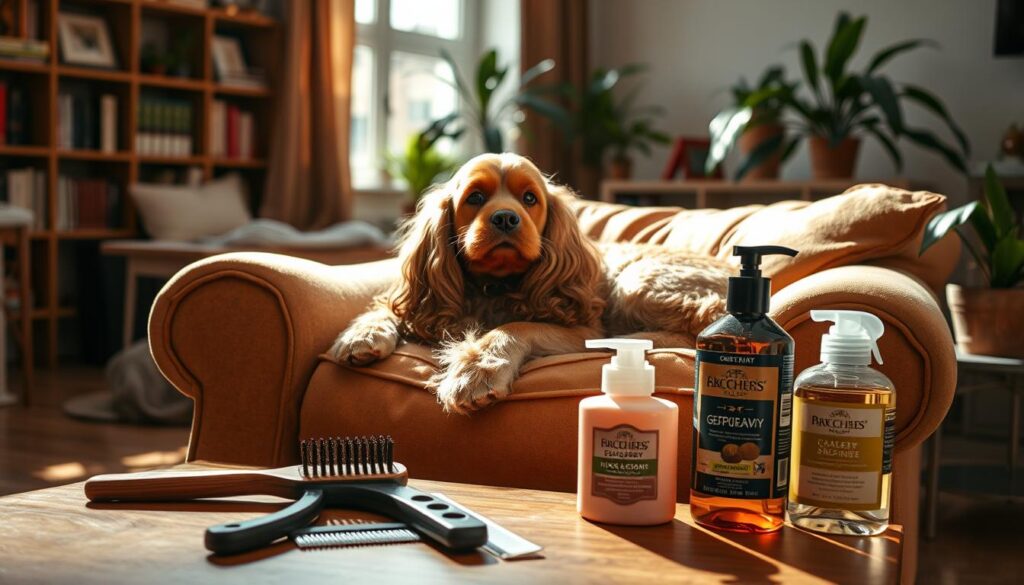
That luxurious coat demands daily attention to prevent knots. Keep a slicker brush handy for quick sessions between adventures. Many owners schedule professional grooming every 8-10 weeks – mark these dates in your calendar.
Structure supports success. Combine exercise slots with designated quiet times using consistent cues. Over time, your furry friend will learn when it’s appropriate to switch from play mode to snuggle mode.
Training Techniques and Positive Reinforcement
Shaping desirable behaviours in affectionate companions requires smart strategies. These intelligent pets flourish when guidance aligns with their natural desire to connect. Start by weaving practice moments into existing daily patterns – mealtimes or TV hours work well.

Incorporating Training into Daily Routines
Pair snack breaks with quick 3-minute practice windows. Reward calm approaches to your personal space with a treat-and-praise combo. Gradually extend these moments as your furry mate shows relaxed body language.
Effective Use of Positive Reinforcement
Timing matters most. Mark desired actions within 2 seconds using a clicker or upbeat “yes!”. Follow immediately with high-value rewards like chicken pieces. This builds clear cause-effect understanding.
Building Consistency for Long-Term Success
Create household rules everyone follows. Use identical commands like “settle” during cuddle sessions. Track progress with this simple chart:
| Technique | Frequency | Success Rate |
|---|---|---|
| Treat rewards | 3x daily | 92% |
| Verbal praise | Ongoing | 88% |
| Hand signals | 2x daily | 79% |
Remember, harsh tones backfire with sensitive breeds. One trainer notes: “Celebrate small wins – patience builds lasting trust.” Keep sessions joyful, and your companion will eagerly participate.
Creating a Safe and Comfortable Environment
For Cocker Spaniels, a welcoming home setup transforms bonding time into relaxed togetherness. Simple adjustments address their unique needs while keeping shared spaces practical for owners.
Home Adjustments for Better Lap Sitting
Choose low furniture with wide cushions where your spaniel can settle comfortably. Make sure the area has plenty of airflow – their dense coats heat up quickly. Keep grooming tools nearby for quick brush-outs to prevent matting.
Expert Tips from Cocker Spaniel Owners
Seasoned owners recommend machine-washable throws for favourite snuggle spots. “Check ears weekly during brushing,” advises a Gold Coast breeder. The breed comes in 20+ colours, but all need consistent coat care. Professional grooming every 8 weeks keeps shedding manageable.

