


Does your four-legged mate nudge your hand during Zoom calls or bark just as your favourite show starts? These moments aren’t random—they’re your furry friend’s way of saying, “Hey, I’m here!” While this behaviour might seem cheeky, it’s often rooted in their instincts and need for connection.
Many dog owners mistake these actions for stubbornness. In reality, breeds with strong social drives—like those originally bred for companionship or teamwork—often express needs through persistent gestures. Their history shapes how they interact today. For example, dogs bred for hunting roles may seek engagement more intensely than others.
Ignoring these signals can strain your bond. But there’s good news: with the right approach, you can guide your pet toward calmer habits. This guide breaks down why certain behaviours develop and offers proven strategies tailored for Australian households. You’ll learn how to respond to demands without reinforcing them—and build a happier relationship.
Key Takeaways
- Attention-seeking actions are natural communication, not “naughty” behaviour
- Breed history plays a big role in how dogs express their needs
- Unmanaged demands can lead to frustration for both pets and owners
- Positive reinforcement works better than punishment for long-term results
- Consistent routines help reduce anxiety-driven behaviours
Introduction: Understanding the Behaviour and Its Impact
Ever wondered why your furry companion stares intently while you chop veggies or wedges their head under your laptop? These aren’t random acts—they’re deeply rooted in how social animals communicate. From wild packs to lounge-room cuddles, connection drives their world.
Why This Trait is Hardwired in Canines
Puppies learn early: making noise gets mum’s care. This survival tactic sticks. Dr. Sagi Denenberg notes:
“Vocalising and nudging are canine ABCs—how they’ve always interacted with their world.”
Modern pets apply these instincts to human families. Check how wild and domestic traits compare:
| Wild Canines | Domestic Dogs | Purpose |
|---|---|---|
| Pack howls | Barking at doorbells | Alerting group |
| Nuzzling pack mates | Leaning against legs | Seeking closeness |
| Sharing food | Bringing toys | Building trust |
Strengthening Your Connection Through Responses
How you react shapes your relationship. Constant scolding may create confusion. Positive reinforcement teaches clearer communication.
Example: Redirect pawing with a chew toy instead of pats. This meets their need for interaction while setting boundaries. Balanced responses help pets feel secure—reducing anxious behaviour over time.
Remember: every interaction is a conversation. Your approach determines whether it becomes a meaningful chat or a frustrating monologue.
Cocker Spaniel Attention Seeking: Recognising Natural Signs
Have you noticed sudden barks when the doorbell rings or persistent nudges during dinner prep? These aren’t mischief – they’re your companion’s language. Learning their unique signals helps prevent small habits becoming big issues.
Decoding Vocal and Physical Signals
Pets express needs through clear patterns. Common signs include:
- Vocal cues: Sharp barks at passing shadows, whines when treats appear
- Body language: Pawing at knees, toy-dropping in laps, “accidental” object theft
- Timing tells: Demands peak during meal prep or work calls
Bred for fieldwork, these dogs alert owners instinctively. A 2023 Sydney University study found hunting-line breeds bark 73% more frequently than non-sporting types when sensing changes.
From Alertness to Annoyance: Behaviour Connections
Watch how actions chain together:
| Trigger | Initial Response | Escalation |
|---|---|---|
| Postie’s arrival | Single warning bark | Jumping at windows |
| Leash sighting | Excited spins | Mouthing hands |
| Loneliness | Soft whining | Destructive scratching |
Key difference? Legitimate needs ease once met. Problem behaviors intensify if ignored. Example: A quick “sit” before walks teaches patience. But rewarding door-charging teaches chaos.
Smart owners track patterns. Does barking stop after a toilet trip? That’s communication. Does it continue for 20 minutes? That’s a habit needing guidance.
Exploring the Causes Behind Attention-Seeking Behaviour
What sparks those persistent barks when you’re mid-conversation? Behind every paw tap or whine lies a story of unmet requirements. Smart breeds thrive on connection—their actions often mirror what they lack.
Emotional Drivers in Companion Animals
Highly social breeds develop strong attachment bonds—a trait amplified in working-line dogs. Dr. Denenberg notes:
“These animals test behaviours like scientists. If barking gets your focus, they’ll repeat it.”
Separation distress often peaks within 15 minutes of isolation, triggering vocal protests.
Urban living intensifies this dynamic. Smaller homes mean pets notice departures instantly. Busy schedules leave less time for quality interaction—creating a perfect storm for demand behaviours.
Fuel for Restless Minds
Active breeds need purpose. Without proper outlets:
- Unused energy converts to nuisance barking
- Boredom drives destructive chewing
- Routine gaps invite attention-grabbing tactics
Compare exercise impacts:
| Daily Activity | Behaviour Outcome |
|---|---|
| 45+ minute walks | Calmer home demeanour |
| Under 30 minutes | 62% higher vocalisation rates |
Mental challenges matter equally. Food puzzles or scent games engage problem-solving skills—critical for intelligent breeds. Pair physical exertion with cognitive tasks for balanced stimulation.
How to Prevent and Manage Excessive Barking and Other Unwanted Behaviours
Ever caught yourself mouthing “sorry, my dog” during phone chats? You’re not alone. Managing vocal demands requires smart strategies that address root causes while keeping your bond strong.
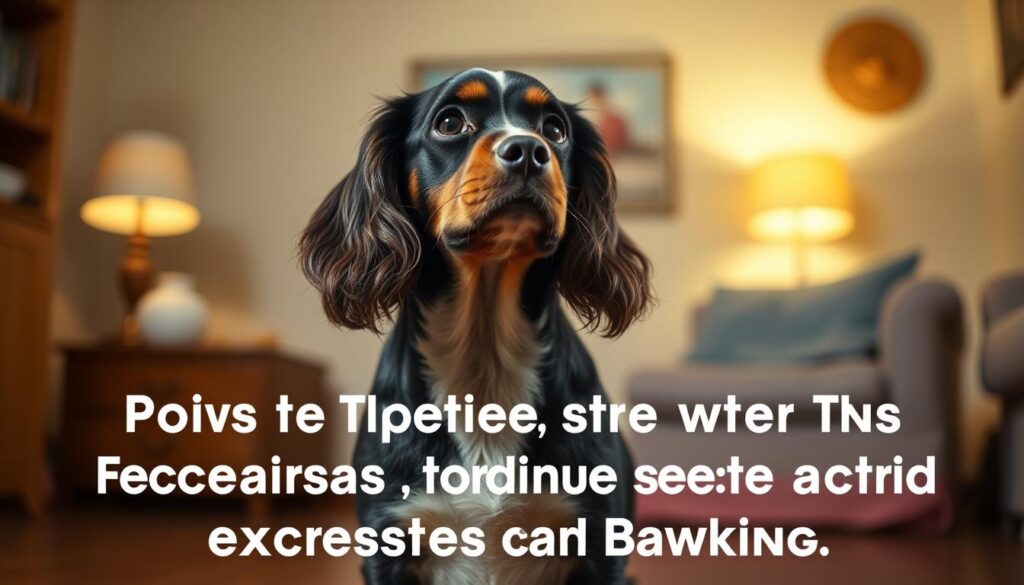
Steps to Recognise and Avoid Reinforcing Problem Actions
Every reaction teaches your pet something. Scolding a barking companion? That’s still interaction. Dr. Denenberg explains:
“Ignoring unwanted behaviour works best. Wait for quiet moments, then reward calmness with play or treats.”
Common reinforcement traps:
| Mistake | Result | Better Approach |
|---|---|---|
| Yelling “quiet!” | Teaches barking gets responses | Turn away until silence |
| Pushing paws off laps | Rewards physical contact | Stand up immediately |
| Giving toys during barks | Links noise to rewards | Wait 5 seconds post-silence |
Environmental Management and Redirection Strategies
Set your pet up for success. Before triggering events:
- Offer frozen Kongs during work hours
- Close blinds to block postie views
- Use white noise to mask street sounds
Compare these setups:
| Trigger | Reactive Response | Proactive Solution |
|---|---|---|
| Phone calls | Shushing repeatedly | Pre-filled chew in crate |
| Doorbell rings | Chasing escaping dog | Practice “go to mat” drills |
Timing matters most. Redirect before barking starts. Consistency teaches which behaviours work. Over weeks, pets learn calmness opens doors to fun – literally and figuratively.
Effective How-To Strategies: Training, Patience, and Reward
Transforming demanding habits into constructive interactions starts with smart communication. The secret? Teach your pet how to “ask nicely” using methods that strengthen trust and understanding.
Implementing Positive Reinforcement Techniques
Reward-based methods work best for shaping calm behaviour. Dr. Denenberg explains:
“Treats or praise given within 2 seconds of good actions create lasting associations. Miss that window, and pets struggle to link reward with action.”
Try these steps:
- Mark desired actions with a clicker or “yes!”
- Offer high-value treats like chicken strips
- Gradually replace food rewards with pats or play
Teaching Alternative Ways to Communicate Needs
Swap problematic habits with polite requests:
| Old Behaviour | New Skill | Reward Timing |
|---|---|---|
| Jumping for greetings | Sitting | Treat when bottom touches floor |
| Mouthing hands | Bringing toys | Praise upon toy pickup |
Start with 30-second ignoring periods for unwanted actions. Increase duration weekly as your dog learns calmness gets results. Consistency across all family members prevents mixed signals.
Remember: initial efforts may trigger louder demands. Stay patient – this phase passes as new routines take root.
Creating a Balanced and Enriching Home Environment
Structured days transform restless paws into contented sighs. When pets predict playtimes and meals, anxiety-driven habits fade. A 2023 Melbourne canine study found consistent routines reduce attention-related behaviours by 58% in high-energy breeds.

Incorporating Physical Exercise and Mental Enrichment
Balance is key. Dr. Denenberg advises:
“Anticipate your dog’s needs through scheduled activities. A tired body and mind leave little room for demands.”
Try this dual approach:
| Physical Needs | Mental Challenges | Tools |
|---|---|---|
| Morning beach runs | Scent trails in backyard | Long-line leash |
| Evening fetch sessions | Frozen Kong puzzles | Lick mats |
| Weekend bushwalks | Hide-and-seek games | Snuffle mats |
Rotate toys weekly to maintain novelty. Store special items like chew toys for quiet times. Dogs given “jobs” like scattering kibble in grass show 40% less nuisance behaviour.
Create zones for different activities:
- Chewing corner with deer antlers
- Puzzle station near windows
- Rest area with orthopaedic bed
Pair physical exertion with brain games. A 20-minute sniff walk tires minds more than an hour of leash walking. Watch for relaxed body language – your ultimate success metric.
Managing cocker spaniel attention seeking in Daily Life
Ever found your work calls interrupted by a determined nose nudging your keyboard? Tailored solutions help maintain harmony during busy days. Smart planning turns potential disruptions into opportunities for positive engagement.
Personalised Solutions for Different Temperaments
Each pet has unique needs. Confident types might steal items to spark chase games. Anxious companions often stick close for reassurance. Observe patterns:
- Morning work hours: Offer frozen Kongs filled with peanut butter
- Guest arrivals: Practice “go to mat” drills with high-value treats
- Evening wind-down: Provide durable chew toys in designated zones
Reactions matter. A 2022 Sydney vet study found pets repeat actions that get dramatic responses. Calmly retrieve stolen items without eye contact. Reward quiet moments with brief play sessions.
| Personality | Trigger | Strategy |
|---|---|---|
| Bold | Stealing objects | Ignore, then reward “drop it” |
| Timid | Loud noises | Create safe den area |
| Energetic | Afternoon lulls | Scheduled fetch breaks |
Adjust approaches seasonally. Summer heat may require shorter walks but more puzzle feeders. Winter rains call for indoor scent games. Watch for relaxed body language – your best success indicator.
Conclusion
Navigating daily life with a social breed requires balance and insight. What many label as problematic actions are often a dog’s way of initiating connection – their version of starting a chat over coffee. These moments form the foundation of your shared relationship, not obstacles to overcome.
Successful care hinges on recognising needs before they escalate. Regular mental challenges and predictable routines help energetic breeds feel secure. When pets trust their environment, they’re less likely to develop persistent habits that disrupt household harmony.
Australian owners often see rapid improvements by combining three elements: structured exercise, clear communication, and scheduled quiet times. This approach respects a pet’s social nature while establishing healthy boundaries. Remember – every interaction teaches your companion what works to gain your focus.
If certain behaviours persist despite consistent efforts, consult a certified behaviourist. They can identify underlying issues and tailor solutions for your unique situation. With patience and the right strategies, you’ll build a bond where both human and canine needs are met through understanding – not demands.

