

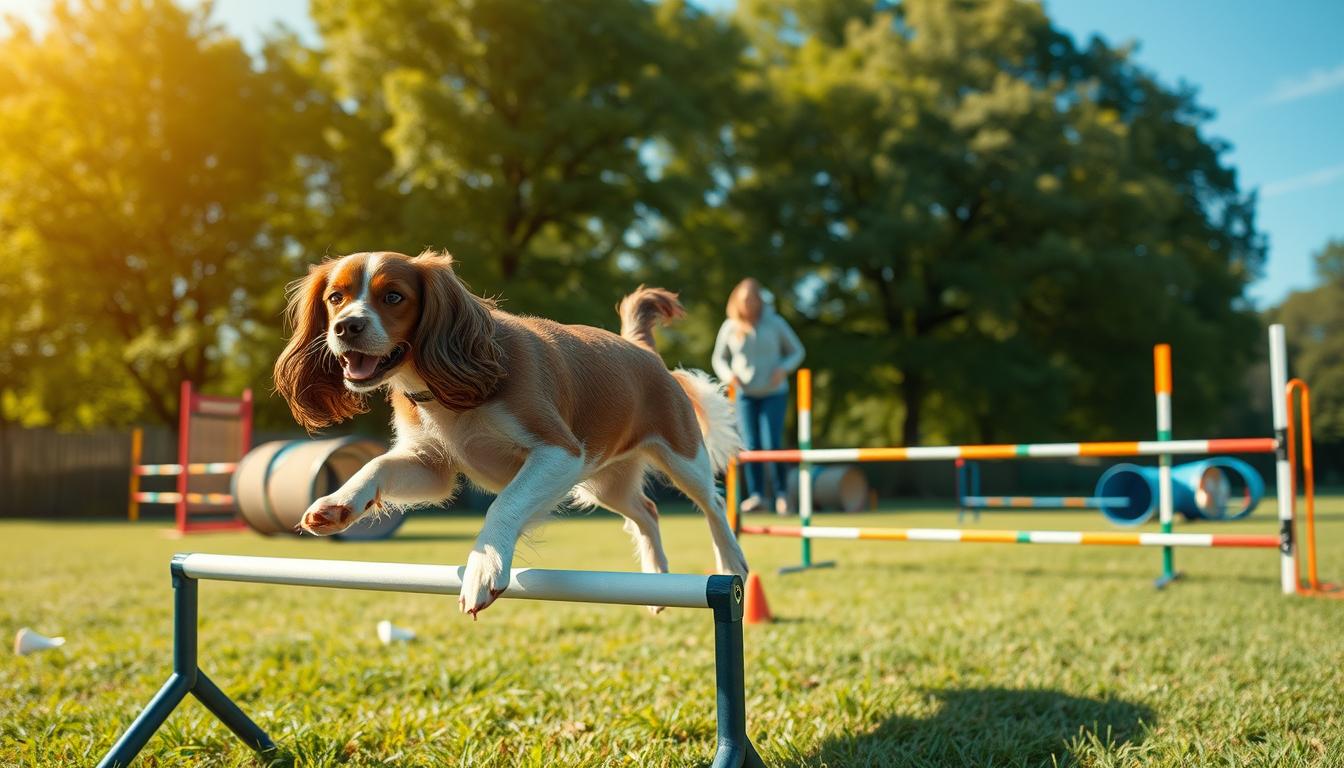
Australia’s love for active lifestyles finds perfect harmony with clever, energetic companions bred for purpose. These compact athletes thrive when given structured challenges that engage their sharp minds and agile bodies. Their heritage as working partners translates beautifully into modern pursuits, blending natural curiosity with a strong desire to collaborate.
Owners often discover their pet’s remarkable capacity for learning complex tasks when provided consistent guidance. Regular engagement prevents restlessness, channeling innate enthusiasm into rewarding achievements. From backyard games to organised events, tailored approaches help these lively mates excel while strengthening human-animal bonds.
Local climates and landscapes offer diverse opportunities for year-round training. Many Aussies find community connections through growing networks of clubs specialising in canine activities. Whether preparing for competitions or simply enjoying quality time, matching exercises to individual traits ensures sustained enjoyment for all involved.
Key Takeaways
- Natural athleticism and intelligence make these breeds ideal for structured challenges
- Daily mental and physical engagement prevents boredom-related behaviours
- Local clubs provide socialisation and skill-building opportunities
- Tailored approaches account for scent-driven distractions during outdoor sessions
- Activity choices should align with individual energy levels and build
- Consistent positive reinforcement yields best results in skill development
Understanding the Cocker Spaniel Breed
With roots stretching across Spain’s rugged landscapes, these compact hunters evolved into versatile partners for outdoor pursuits. Their development as skilled game retrievers laid the foundation for the two distinct varieties recognised today. Modern enthusiasts benefit from understanding how centuries of selective breeding shaped both physical traits and behavioural patterns.
Breed History and Origins
Originally bred to flush woodcock for hunters, the breed’s name reflects this specialised role. While both American and English types share common ancestry, subtle differences emerged through regional breeding practices. The table below highlights key distinctions:
| Variety | Height | Weight |
|---|---|---|
| American | 13.5-15.5 inches | 20-30 pounds |
| English | 15-17 inches | 26-34 pounds |
Despite size variations, both types retain the keen intelligence and enthusiasm that made them indispensable hunting companions. Their waterproof double coat – a legacy of outdoor work – remains a defining feature requiring regular maintenance.
Temperament and Physical Characteristics
Merry dispositions and unwavering loyalty define this breed’s personality. They thrive when given tasks that engage their natural problem-solving abilities, making them ideal candidates for structured activities. Key attributes include:
- High trainability through positive reinforcement methods
- Moderate endurance suited to varied climate conditions
- Strong retrieval instincts honed over generations
Prospective owners should note the importance of socialisation from puppyhood. Early exposure to different environments helps channel their curiosity into focused energy, preventing distraction during training sessions.
Exploring cocker spaniel dog sports Techniques
Structured activities transform natural abilities into polished skills for energetic companions. Australian owners benefit from tailored approaches that balance physical exertion with cognitive challenges. Clear communication and gradual skill-building create confident partners ready for various disciplines.
Foundation Skills Development
Mastering core commands establishes trust between handler and pet. Consistent practice in distraction-free environments helps cement responses to verbal cues. Short daily sessions prove more effective than lengthy drills, matching attention spans.
Dynamic Activity Options
High-energy pursuits channel enthusiasm into coordinated teamwork. Consider these popular options:
| Activity | Key Features | Skill Focus |
|---|---|---|
| Agility Courses | Timed obstacle navigation | Directional precision |
| Retrieval Challenges | Ball/toy return races | Speed & coordination |
| Scent Work | Odour identification tasks | Concentration |
Urban environments require creative adaptations. Many local clubs offer modified equipment for backyard setups.
Sustaining Engagement
Variety prevents boredom during skill development. Rotate between physical tasks and problem-solving games weekly. Treat-dispensing toys maintain interest during rest periods.
Outdoor sessions demand gradual exposure to wildlife distractions. Begin with leashed drills in quiet areas before advancing to open spaces. Celebrate focused behaviour with immediate rewards.
Exercise and Health for Your Cocker Spaniel
Balancing physical demands with wellness monitoring creates thriving partners for outdoor adventures. These lively pets flourish when exercise routines align with their biological needs and environmental factors. Strategic planning helps maintain peak condition while reducing strain on developing or ageing bodies.

Tailoring Movement Routines
Activity requirements shift significantly across life stages. The table below outlines daily recommendations:
| Age Group | Duration | Focus Areas |
|---|---|---|
| Puppies | 5 mins/month of age | Low-impact play |
| Adults | 70-120 mins | Skill-building drills |
| Seniors | 30-50 mins | Gentle mobility |
Working-line companions often need 25% more activity than show varieties. Split sessions into morning and evening segments to prevent exhaustion.
Safeguarding Long-Term Wellness
Common joint conditions like dysplasia demand careful management. Implement these protective measures:
- 10-minute warm-ups before intense sessions
- Grass or rubberised surfaces for high-impact activities
- Monthly gait checks for early problem detection
Australian summers require adjusted schedules – opt for dawn/dusk outings and always carry water. Annual vet assessments track cardiovascular health and joint stability, particularly for sports-focused pets.
Grooming, Nutrition and Daily Care

Maintaining peak condition requires attention beyond physical training. Specialised routines protect against common health issues while supporting energy needs. Practical strategies balance aesthetic upkeep with functional requirements for active lifestyles.
Ear Care and Coat Essentials
Floppy ears demand weekly maintenance to prevent moisture buildup. Use vet-approved cleansers after swimming or baths to reduce infection risks. Watch for these warning signs:
- Persistent head shaking or scratching
- Unusual odours from ear canals
- Redness or swelling in folded areas
Regular brushing prevents mats in longer coats, particularly behind legs and ears. Many owners choose professional trims every 6-8 weeks for easier upkeep. This reduces grass seed entanglement during outdoor sessions.
Fueling Active Lifestyles
Performance diets differ from standard options. Compare these nutritional profiles:
| Diet Type | Protein % | Fat % | Key Additives |
|---|---|---|---|
| Active Breed | 28-32 | 16-20 | Glucosamine, Omega-3 |
| Standard Adult | 22-26 | 12-15 | Basic vitamins |
Measure portions using kitchen scales rather than cups for accuracy. Treats shouldn’t exceed 10% of daily calories. Always provide fresh water – add ice cubes during summer training.
Monthly weight checks help adjust feeding plans. Ribs should be easily felt without visible protruding. Consult professionals if coat quality declines or energy levels drop unexpectedly.
Socialising and Family Life with Your Cocker Spaniel
Creating a harmonious home with energetic companions involves balancing structured routines and household bonding. These affectionate family members thrive when included in daily activities, though their lively nature requires thoughtful guidance.
Introducing New Members and Pets
Early interactions shape lifelong relationships. Teach polite greetings using treats to discourage jumping during enthusiastic meetings. Supervised introductions with smaller animals prevent instinct-driven reactions, while gradual exposure builds trust.
Building Confidence Through Exposure
Puppyhood socialisation lays foundations for adaptable adult behaviour. Regular outings to parks or busy streets help normalise urban sounds and crowds. Positive reinforcement during encounters with strangers reinforces calm responses.
Balancing Activity and Downtime
Australian climates demand smart scheduling for outdoor play. Morning fetch sessions beat the heat, while puzzle toys channel mental energy indoors. Weekend adventures to dog-friendly beaches satisfy exploration needs without overexertion.
Consistency remains key – blend training drills with relaxed cuddle time to nurture well-rounded companions. Multi-pet households flourish when each animal receives individual attention alongside group activities.

