

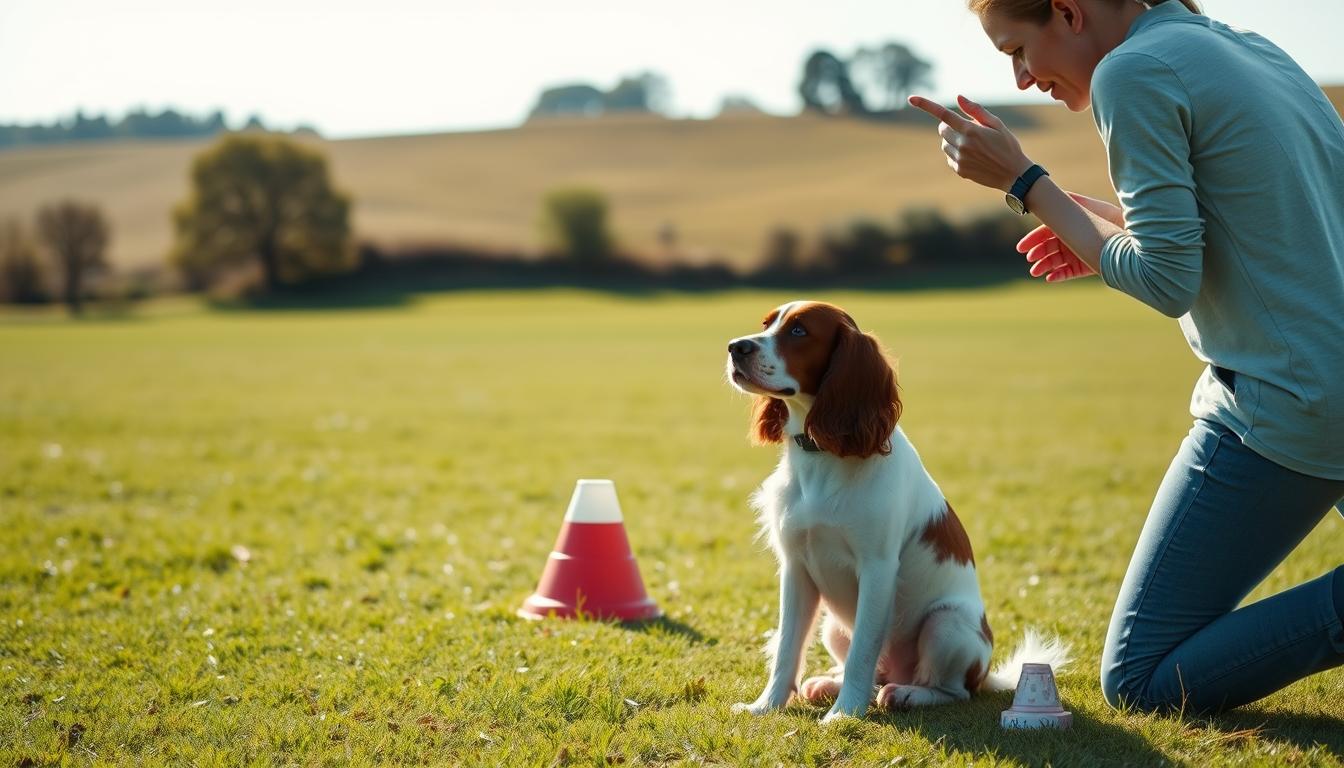
Energetic, affectionate, and bursting with personality, these medium-sized dogs bring endless joy to Australian households. Their playful nature and loyalty make them ideal family pets, but their hunting heritage and zest for life can lead to mischief without proper guidance. Without structure, even the most loving companion might turn daily routines into chaotic adventures.
Successful companionship with these spirited dogs hinges on clear communication and consistent leadership. Their intelligence and enthusiasm mean they thrive when given purposeful direction, transforming potential challenges like overexcitement or distracted behaviour into opportunities for bonding. Owners who master this approach often find their pets become calmer, more responsive partners at home and in public spaces.
This guide explores practical methods to build mutual understanding between owners and their four-legged mates. By working with natural instincts rather than against them, families create harmonious relationships that benefit everyone. The results? A well-mannered pet that respects boundaries while retaining their signature cheerful spirit.
Key Takeaways for Aussie Dog Owners
- Consistent leadership prevents common behavioural issues in lively breeds
- Energy management is crucial for household harmony
- Positive reinforcement outperforms harsh discipline
- Early training capitalises on natural intelligence
- Instinct-driven activities reduce destructive tendencies
Understanding the Cocker Spaniel Personality
With noses tuned to nature’s whispers, these spirited canines balance work ethic with affectionate companionship. Their genetic blueprint drives curiosity and demands purposeful activity – remnants of generations spent flushing birds from dense brush.
Breed Traits and Energy Levels
Originally developed as hunting partners, these dogs thrive when engaging their senses. Their love for water and chase remains strong, though modern life often replaces pheasants with tennis balls. Daily routines should include scent games or structured retrieves to satisfy instinctual needs.
Energy requirements vary dramatically between individuals. Some settle happily after 30 minutes of play, while others need hours of mental and physical challenges. A simple test: observe how quickly your companion switches from “explore mode” to relaxation after walks.
Temperament Variations
Two distinct personality types emerge in this breed:
- Go-getters: Always scanning for action, these dogs excel at agility but may struggle with calmness
- Observers: More cautious in new situations, requiring gentle encouragement during training
| Trait | Working Line | Show Line |
|---|---|---|
| Energy Level | High (6-8 hrs/day) | Moderate (3-5 hrs/day) |
| Training Focus | Scent work, endurance | Socialisation, manners |
| Ideal Activities | Bush tracking, dock diving | Obedience trials, therapy work |
Smart owners match exercise plans to their dog’s natural tendencies. A high-drive spaniel might need advanced nosework, while a relaxed companion prefers puzzle toys. Both types respond best to positive reinforcement that makes training feel like play.
Why Handler Focus is Essential
Training success hinges not just on techniques but on maintaining a magnetic connection with your companion. Like skilled musicians in a duet, owners and their pets perform best when attuned to each other’s rhythms. This synergy becomes vital when working with breeds known for their enthusiasm and environmental awareness.
Building Trust Through Presence
Experienced trainers live by a simple truth: “Distance dissolves discipline.” Allowing free roaming during critical learning phases teaches pets they’re self-sufficient. Instead, position yourself as the gateway to fun and fulfilment. Reward engagement during walks with games that align with natural instincts.
Consider these real-world scenarios where guidance proves crucial:
- A scent-driven breed spotting lizards in bushland
- Meeting off-leash dogs at the local park
- Responding to recall near busy roads
“Control isn’t about dominance—it’s about becoming your dog’s favourite ‘activity centre’. When you’re more interesting than the environment, obedience becomes their default choice.”
Structured interactions prevent the “selective hearing” phenomenon. Regular short sessions (5-8 minutes) throughout the day work better than marathon drills. Pair commands with motion-based rewards like fetch or tug-of-war to maintain enthusiasm.
Those who master this approach often notice:
- Quicker response times in distracting settings
- Reduced anxiety during unfamiliar situations
- Improved decision-making when unsupervised
Basic Training Techniques for Cocker Spaniels
Mastering early training techniques sets the stage for a harmonious life with your spirited companion. Begin with five-minute sessions that mix play and learning – ideal for puppies with limited attention spans. Use high-value treats like chicken strips to reward quick responses to “sit” or “come”.
Timing is everything with reward-based methods. Deliver treats within two seconds of desired actions to create clear connections. Pair verbal praise with physical affection for dogs who respond better to pats than food.
Puppies thrive on routine. Practice key skills at the same time daily – after meals or during play breaks. Focus on three essentials:
- Immediate response to name
- Reliable leash manners
- Gentle mouthing during games
Consistency across household members prevents mixed signals. Create a family cheat sheet listing command words and hand signals. This ensures everyone reinforces skills the same way.
End sessions while your puppy still wants more. This builds anticipation for next time and keeps training joyful. Over weeks, gradually increase difficulty by adding distractions like bouncing balls or food temptations.
Building Self-Control in Your Dog
Teaching four-legged mates to pause before acting transforms chaotic moments into opportunities for growth. While breeds bred for action often struggle with restraint, structured practice helps them make smarter choices. Patience becomes their superpower when facing squirrels, dropped snacks, or open gates.

Strategies for Improved Impulse Control
Start with basic “wait” drills during mealtimes. Hold the bowl steady while your pup sits, releasing it only when they maintain calm eye contact. Gradually extend pauses from two seconds to twenty, rewarding self-restraint with approval or extra kibble.
Introduce temptation challenges once foundational skills develop. Toss a favourite toy but block access until given permission. This teaches delayed gratification – crucial for excitable breeds. Urban walks offer perfect real-world practice spots, from crowded footpaths to off-leash parks.
“Dogs mirror our energy. Stay calm during training meltdowns – your steadiness becomes their anchor.”
Consistency across all family members accelerates progress. Create house rules like:
- No jumping on visitors without invitation
- Sitting before leash removal
- Staying settled during backyard play
Celebrate small wins daily. A puppy who waits five seconds instead of lunging for treats shows budding maturity. Over months, these moments build reliable manners that withstand life’s exciting distractions.
Establishing a Consistent Training Routine
Creating predictable patterns forms the backbone of successful canine education. Between 8-16 weeks, young pets undergo rapid brain development where positive experiences shape lifelong confidence. Missed opportunities during this window may lead to anxiety or reactivity in adulthood.
Morning sessions set the tone for productive days. Ten-minute drills after breakfast work best, combining basic commands with impulse challenges. Use low-distraction environments like quiet backyards to build concentration before introducing outdoor stimuli.
Daily Exercises and Socialisation Tips
Evening wind-downs reinforce calm behaviour. Practice “settle” commands while household activity slows, rewarding relaxed postures with gentle praise. Pair these moments with brief recaps of daytime lessons for lasting retention.
Social exposure requires strategic planning:
- Introduce new surfaces (beach sand, tile floors) gradually
- Arrange controlled playdates with vaccinated dogs
- Expose pups to urban noises during short car rides
“Consistency across three weeks creates habits. Skipping days forces dogs to relearn expectations.”
Balance physical exercise with mental workouts. A tired pet might ignore cues, while under-stimulated ones become restless. Alternate bushwalks with scent games or food puzzles to engage body and mind.
Stick to fixed schedules for meals, walks, and training times. Dogs thrive when they anticipate what comes next. Over months, this structure transforms effort into effortless cooperation.
Managing High Energy Behaviour Effectively
Many owners mistakenly believe endless fetch games solve hyperactivity, only to find their companion becomes an unstoppable athlete. Physical exertion alone often amplifies restless tendencies, creating dogs that demand increasingly intense workouts.

Mental challenges work better than marathon runs for settling busy minds. Puzzle feeders that dispense kibble during meals engage problem-solving skills. Scent games using hidden treats in the backyard tap into natural hunting instincts without overstimulation.
Try these balanced approaches:
- 15-minute training sessions focusing on “stay” or “leave it” commands
- Frozen Kong toys stuffed with peanut butter for quiet downtime
- Controlled exposure to new environments like quiet markets
“Calmness is a learned skill. Reward relaxed postures as enthusiastically as tricks.”
Teach off-switch behaviours using mat training. Start with short durations, gradually extending quiet periods. Pair stillness with gentle praise or low-value treats to avoid excitement spikes.
Watch for signs of overwhelm – pacing or excessive panting means it’s time to dial back. Structured routines combining mental work, moderate exercise, and mandatory rest help dogs self-regulate throughout daily life.
Using Obedience Commands with Confidence
Clear communication transforms everyday interactions into opportunities for connection. When dogs understand exactly what’s expected, they become willing partners rather than distracted participants. This shift requires owners to deliver instructions with unwavering consistency – a skill that benefits both urban and rural pets.
Mastering ‘Bed’ and ‘Down’ Commands
Non-negotiable commands create household harmony. Start with short drills in quiet spaces, rewarding immediate responses. For “bed” training, use a mat or crate as a visual cue. Gradually increase duration from 10 seconds to 20 minutes over weeks.
| Command | Purpose | Key Skill | Progression |
|---|---|---|---|
| Bed/Place | Calm settling | Patience | Add distance from owner |
| Down | Impulse control | Focus | Introduce food temptations |
Phase in challenges once basics are solid. Place treats just beyond reach during “down” practice. For “bed” commands, toss toys nearby while reinforcing stay positions. Always release with a clear marker word like “free”.
Proofing Commands in Distraction-Rich Environments
Real-world reliability comes from controlled exposure. Begin with mild distractions:
- Family members walking through the room
- Low-volume TV sounds
- Mild food aromas
Advance to high-intensity scenarios like beach outings or park visits. Keep initial sessions brief – even 30 seconds of success builds confidence. A local trainer notes: “Dogs mirror our commitment. If you treat commands as optional, they will too.”
Consistent practice across locations prevents context-specific obedience. Alternate training spots weekly – backyards, patios, and quiet streets all offer unique challenges. Reward calm compliance more generously in new environments to reinforce desired behaviour.
Teaching Your Cocker Spaniel to Stay Still
Turning a bundle of energy into a model of patience starts with focused training techniques. Mental workouts that demand stillness challenge these active companions more effectively than hours of fetch. The discipline required to resist movement builds focus while burning nervous energy.
Begin with five-second holds in quiet spaces like laundry rooms. Reward calm behaviour with high-value treats delivered at nose level. Gradually increase duration before adding distractions like bouncing balls or passing family members.
Consistency proves crucial – daily three-minute sessions yield better results than weekly marathons. Many owners report their spaniels nap deeply after focused practice, a sign of mental exhaustion. This approach taps into natural instincts by rewarding self-control rather than suppressing enthusiasm.
Over weeks, extend challenges to parks or beaches where scents test resolve. Pair “stay” commands with release cues to maintain engagement. With patience, even spirited dogs learn to channel energy into composed behaviour that benefits everyone.

