

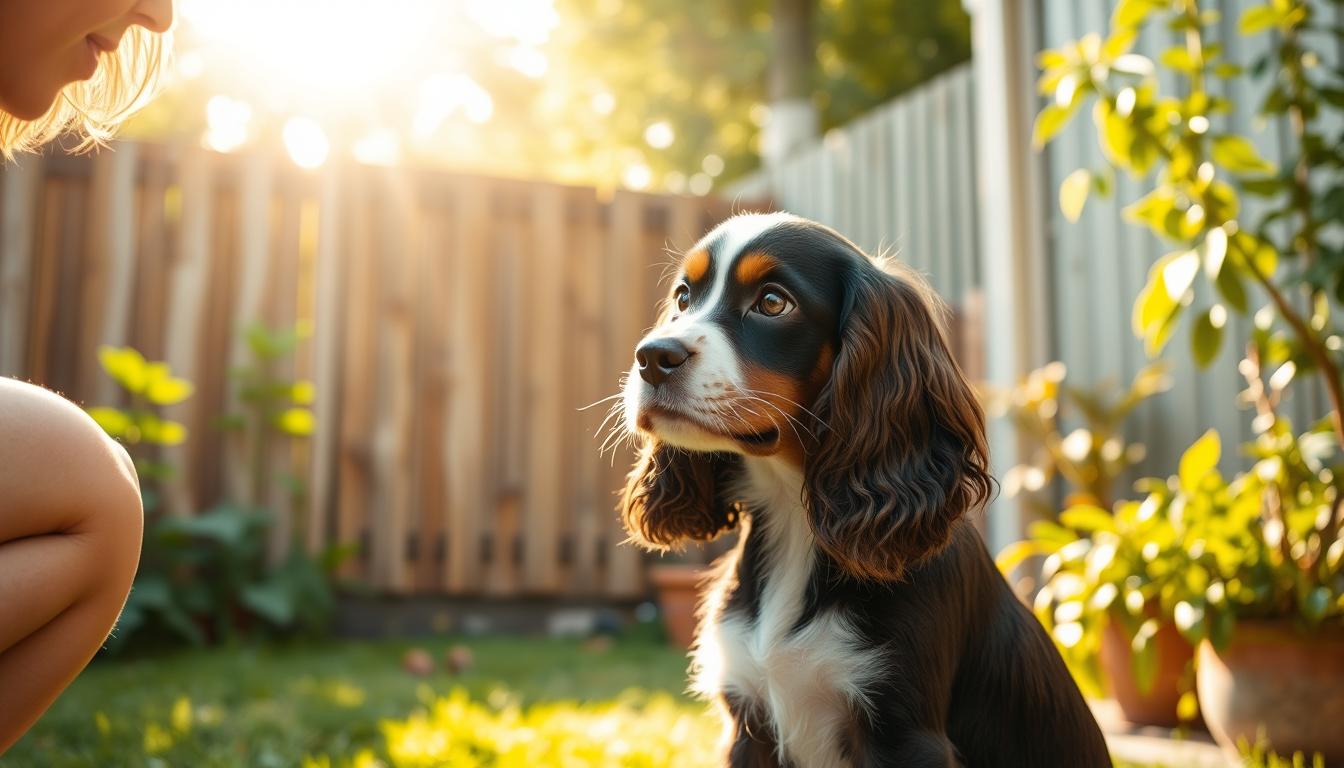
With their soulful eyes and wagging tails, Cocker Spaniels have charmed their way into Australian homes as beloved family companions. Originally bred as skilled hunters in Spain, these intelligent dogs transitioned seamlessly into household life. Their eager-to-please nature and sharp minds make them a standout choice for first-time pet parents.
This breed thrives on human connection, responding well to positive reinforcement and consistent routines. Their affectionate temperament suits busy families or relaxed retirees alike. Adaptable to both apartments and backyards, they’re ideal for Australia’s diverse lifestyles.
Successful training hinges on understanding their heritage. While gentle, their hunting instincts may surface during play. Patience and encouragement work better than rigid methods. Tailoring sessions to their curiosity-driven personality ensures faster progress and happier pups.
Key Takeaways
- Bred as Spanish hunting dogs, now adaptable family pets
- Highly responsive to positive reinforcement techniques
- Thrive in various Australian living environments
- Ideal for novice owners due to cooperative nature
- Require engagement to prevent boredom-related habits
- Early socialisation enhances adaptability
Breed History and Origins
From dense Spanish woodlands to modern Aussie homes, this breed’s journey reflects centuries of adaptation. Developed in 14th-century Europe, their name originates from their Spanish roots and talent for flushing woodcock birds through thick undergrowth. Hunters prized their compact size and ability to work tirelessly in challenging terrain.
Spanish Roots and Early Development
Originally bred as gun dogs, these animals mastered retrieving game without damaging it. Their natural agility made them indispensable for hunters navigating forests and wetlands. By the 1800s, their popularity spread beyond Spain, with British breeders refining their characteristics.
Evolution Into a Beloved Family Companion
Two distinct varieties emerged through selective breeding. The English type retained its athletic build for fieldwork, while the American version developed a shorter muzzle and luxurious coat for show rings. Both types share the same enthusiastic work ethic that transitions seamlessly into family life.
| Feature | English Variety | American Variety |
|---|---|---|
| Origin | Field hunting lineage | Show dog development |
| Build | Taller, leaner frame | Compact, rounded physique |
| Coat | Moderate feathering | Longer, silkier fur |
| Temperament | High-energy working drive | Affectionate companion focus |
Modern descendants retain their ancestors’ love for outdoor activities. This heritage explains their quick response to interactive training methods. Australian owners benefit from understanding how centuries-old instincts influence playstyles and learning patterns.
Key Characteristics and Temperament
Balancing energy and affection, these pets adapt seamlessly to various Australian lifestyles. Their cheerful personality shines through in homes where they receive regular interaction and mental challenges. Owners often describe them as four-legged sunshine due to their constant tail-wagging enthusiasm.
Affectionate Nature and Adaptability
These companion animals flourish when treated as family members. Their social nature makes them excellent partners for beach walks or café outings. Early exposure to different people and environments helps them develop confidence in bustling cities or quiet suburbs.
Urban dwellers appreciate their compact size and moderate exercise needs. A daily 30-minute walk paired with puzzle toys keeps them content in apartments. Suburban families benefit from their love of backyard games and water activities.
| Environment | Key Needs | Success Tips |
|---|---|---|
| City Apartments | Mental stimulation | Interactive feeders |
| Suburban Homes | Secure play areas | Shallow paddling pools |
| Busy Households | Quiet retreat spaces | Cosy crate training |
Some individuals display sensitivity through behaviours like submissive urination during stressful situations. Maintaining calm routines and using encouraging praise helps build resilience. Consistency proves more effective than harsh corrections for these emotionally attuned dogs.
Proper socialisation during puppyhood creates well-adjusted adults comfortable with children and other pets. Their lifelong desire to participate in family life makes them particularly suited to Australia’s outdoor-loving culture.
Cocker Spaniel Trainability
What sets these bright-eyed companions apart in obedience classes? Their working-dog ancestry forged a unique partnership mindset, blending quick thinking with heartfelt cooperation. This breed’s knack for reading human cues transforms routine lessons into joyful collaborations.
Exploring Their Eager-to-Please Attitude
Decades of selective breeding honed their ability to work alongside people. Modern cocker spaniels retain this trait, responding best when owners frame tasks as teamwork. “Sit” becomes a shared achievement, not just a command. Their wagging tails during drills reveal genuine enthusiasm for mental challenges.
Effective sessions balance structure with variety. Five-minute bursts of:
- Treat-based recall practice
- Scent games using favourite toys
- Obstacle courses with praise rewards
These activities leverage natural instincts while preventing boredom. Australian trainers often report faster progress when incorporating water retrieves or beach sprints – nods to the breed’s sporting roots.
| Approach | Traditional Methods | Positive Reinforcement |
|---|---|---|
| Response Rate | Moderate compliance | Eager participation |
| Long-Term Results | Inconsistent recall | Strong command retention |
| Bond Impact | Potential resistance | Deepened trust |
Puppies particularly thrive when lessons mimic play. Their attention spans grow with age, but initial sessions should celebrate small wins. A well-timed belly rub often works better than endless repetition.
Owners across Sydney to Perth find success by aligning expectations with canine psychology. Recognising when your dog needs a break prevents frustration – sometimes a sniff-filled walk teaches more than structured drills. This adaptable mindset keeps training fresh for both parties.
Effective Training Methods and Positive Reinforcement
Smart strategies transform lessons into joyful bonding moments for Australian dog owners. This approach builds trust while shaping desirable habits through mutual understanding. The key lies in recognising how dogs process information and respond to encouragement.
Reward-Based Techniques
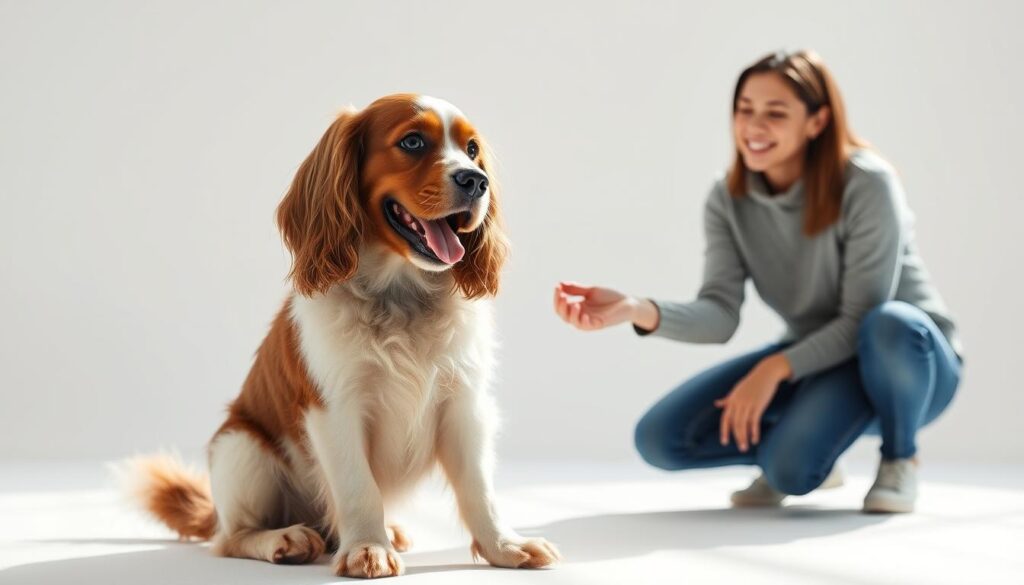
Instant gratification works wonders during teaching sessions. Offer small, tasty morsels within two seconds of correct actions to cement the behaviour-reward link. Pair treats with enthusiastic phrases like “Good job!” to amplify the positive association.
Vary rewards to maintain interest. Alternate between:
- Dehydrated liver bites
- Tug-of-war with a favourite rope
- Affectionate ear scratches
Puppies particularly benefit from brief, frequent sessions. Three five-minute drills spread through the day prevent mental fatigue. Always end on a success to boost confidence.
Handling Sensitivity with Patience
These perceptive dogs mirror their owner’s emotions. Raised voices or abrupt movements may trigger anxious responses. Instead, use calm redirection for mistakes. A simple “Oops, try again” maintains focus without causing stress.
Consistency proves vital. Use identical command words and hand signals each time. Establish fixed meal times and walk schedules to create predictable routines. This structure helps sensitive learners feel secure during training.
Track progress with a weekly checklist. Celebrate small victories like mastering “sit” or walking politely on lead. Over time, these achievements compound into reliable obedience shaped by trust rather than fear.
Mental Stimulation for a Sharp Mind
A bored canine companion becomes a master of mischief. For bright breeds bred for fieldwork, daily brain workouts prove just as vital as physical exercise. These clever dogs thrive when owners channel their natural curiosity into structured challenges.
Puppies especially benefit from early exposure to problem-solving games. Simple DIY puzzles using muffin tins and tennis balls tap into their natural sniffing skills. Hide treats under cups for a nose-powered guessing game that burns mental energy.
Interactive Games and Enrichment Activities
Turn mealtimes into adventures with scatter feeding. Toss kibble across grassy areas to activate hunting instincts. For indoor fun, try:
- Scent trails using lavender or chicken-scented cloths
- Frozen Kongs stuffed with peanut butter and banana
- Treasure hunts with favourite toys in laundry piles
Adult dogs excel at advanced challenges. Create obstacle courses using garden chairs and hula hoops. Rotate toys weekly to maintain novelty – a tired dog is a happy housemate. Five minutes of sniffing equals thirty minutes of walking in mental exertion terms.
| Activity | Skill Developed | Time Required |
|---|---|---|
| Snuffle Mats | Foraging | 10 minutes |
| Name That Toy | Memory | 5 minutes |
| Shell Game | Problem Solving | 3 minutes |
Busy Aussie households can integrate stimulation into routines. Use breakfast kibble for quick training drills. Park visits become learning opportunities with “find the treat” games under trees. Consistent mental workouts prevent destructive habits while deepening your bond.
Nutrition and Diet for Optimal Performance
Fueling your furry friend’s potential begins at the dinner bowl. Smart food choices boost energy levels and sharpen focus during training sessions. Fresh, whole ingredients work like premium petrol for active pups – they keep engines running smoothly without midday crashes.

Benefits of a Real Food Diet
Human-grade meals packed with lean proteins and crunchy veggies deliver nutrients commercial kibble often lacks. Gently cooked recipes preserve vitamins that support brain health and muscle development. Rotating protein sources – think grass-fed beef one week, free-range chicken the next – prevents food boredom and allergy risks.
Puppies thrive on these diets when meals include:
- Omega-rich fish for cognitive development
- Calcium-packed bone broth for growing joints
- Blueberries as antioxidant powerhouses
Portion Control and Nutrient Balance
Active dogs need tailored meal sizes based on age and exercise levels. Use this simple guide:
| Weight Range | Daily Calories | Protein % |
|---|---|---|
| 5-10kg | 450-650 | 22-25% |
| 10-15kg | 650-900 | 20-22% |
Measure portions using kitchen scales rather than cups for accuracy. “Food puzzles slow down fast eaters while providing mental stimulation,” notes a Sydney-based canine nutritionist. Combine this approach with regular weight checks to maintain ideal body condition.
Young pups adapt well to real food diets when introduced gradually. Start with minced chicken and steamed pumpkin before adding new ingredients. This method helps sensitive tummies adjust while building strong immunity through diverse nutrients.
Daily Exercise and Outdoor Adventures
Australia’s vast landscapes offer endless opportunities to keep your four-legged friend engaged and healthy. Regular activity prevents destructive behaviours while strengthening the bond between owner and companion. Aim for 60-minute daily sessions combining movement and mental challenges.
Brisk Walks and Playtime Essentials
Break exercise into two 30-minute blocks for optimal results. Morning walks paired with evening games create balanced energy management. Essential activities include:
- Leash-free beach runs during off-peak hours
- Frisbee sessions in shaded parks
- Interactive fetch with water retrieves
Vary routes to stimulate curiosity – new smells and terrains work like canine crossword puzzles. “Mix structured walks with free exploration time,” suggests a Melbourne dog trainer. This approach satisfies both physical needs and natural sniffing instincts.
Keeping Active in Urban and Rural Settings
City dwellers can maximise limited space with stair-climbing drills or indoor obstacle courses. Rural owners benefit from:
| Environment | Activity | Duration |
|---|---|---|
| Apartments | Staircase circuits | 15 minutes |
| Bushland | Trail explorations | 45 minutes |
Watch for these signs of sufficient exercise:
- Calm demeanour post-activity
- Voluntary napping between sessions
- Eagerness for next outing
Adjust routines seasonally – swap midday summer walks for early morning swims. Consistent exercise patterns improve responsiveness during training while reducing anxiety-related behaviours.
Grooming, Hygiene, and Ear Care
A well-groomed companion reflects both care and dedication. Regular routines do more than maintain appearance—they safeguard health and strengthen bonds. Proper care prevents discomfort that might hinder learning or play.
Maintaining a Lustrous Coat and Ear Health
Silky fur demands attention 3-4 times weekly. Use a slicker brush to untangle knots before they mat. Professional trimming every two months keeps the coat manageable, especially around paws and ears.
Floppy ears trap moisture, creating infection risks. Check them weekly for redness or odour. Gently wipe inner folds with a damp cloth, avoiding deep insertion. “Prevention beats treatment,” says a Gold Coast vet. Pair cleaning with treats to build positive associations.
Essential Dental and Paw Care
Daily brushing reduces plaque buildup. Use canine toothpaste and a soft-bristle brush. Start young to normalise mouth handling—crucial for dogs prone to dental issues.
Fast-growing nails affect posture and movement. Trim every 3-4 weeks using guillotine-style clippers. Look for these signs it’s time:
- Clicking sounds on floors
- Difficulty walking on smooth surfaces
- Visible curling at the tips
Pair grooming sessions with praise and rewards. This transforms necessary care into trust-building moments, ensuring your pet stays happy and healthy.
Managing Health Issues and Preventing Obesity
Proactive care keeps tails wagging through every life stage. While generally robust, these affectionate companions benefit from early detection of common conditions. Regular vet checks and keen observation form the foundation of lifelong wellness.
Identifying Early Signs of Joint and Skin Problems
Stiffness after rest or reluctance to jump may signal joint issues. Many dogs develop mobility challenges as they age, particularly in hips and knees. Paw parents should watch for excessive licking around paws or ears, which often precedes skin flare-ups.
Allergy-related problems frequently manifest as red patches or recurring ear infections. Seasonal changes in Australia’s climate can trigger flare-ups. A simple weekly coat inspection helps catch irritations before they escalate.
Weight management proves crucial for preventing strain on developing joints. Use a body condition score chart to assess fitness levels during monthly health checks. Vets recommend adjusting meal portions if ribs become hard to feel beneath the coat.
Annual blood tests and joint supplements become vital after seven years. Pair these with low-impact exercises like swimming to maintain muscle tone. Early intervention transforms potential problems into manageable routines, ensuring more active years with your devoted companion.

