


Renowned for their boundless energy and affectionate nature, these compact dogs have long captured the hearts of families across Australia. Originally bred as hunting companions, their intelligence and stamina made them invaluable partners in the field. Today, their adaptable personality shines in home environments, where they thrive on human connection and playful interaction.
What truly sets this breed apart is their innate ability to spread positivity. Whether greeting owners with enthusiastic tail wags or engaging in lively games, their zest for life creates a vibrant household atmosphere. This optimistic outlook, combined with loyal companionship, makes them ideal for active households seeking four-legged joy-bringers.
Their working heritage contributes to a keen eagerness to please, simplifying training processes when approached with consistency. However, their social nature requires regular mental stimulation and quality bonding time – key factors in maintaining their signature sunny temperament.
Key Takeaways
- Originally bred for hunting, these dogs now excel as family-focused companions
- Natural enthusiasm and loyalty define their interactions with humans and pets
- Regular engagement helps maintain their characteristic positive mindset
- Training benefits from their inherent desire to cooperate and learn
- Adaptability makes them suitable for various Australian living situations
Introduction: Celebrating a Cheery Canine Companion
There’s a reason these floppy-eared charmers consistently rank among Australia’s favourite family pets. Their innate ability to weave themselves into daily life creates bonds that transcend typical owner-pet relationships. One owner remarked: “They don’t just live with you – they actively share your world.”
What makes this breed exceptional companions? Three key traits stand out:
| Trait | Family Benefit | Daily Example |
|---|---|---|
| Social Intelligence | Adapts to household rhythms | Quietly rests during work calls |
| Emotional Awareness | Supports children’s development | Gentle play with toddlers |
| Adaptable Energy | Matches family activity levels | Beach runs or couch cuddles |
Morning routines become joyful rituals as they shadow family members from kitchen to garage. Their signature move? Presenting shoes when they sense departure times. Trainers note their quick response to positive reinforcement, making basic commands second nature within weeks.
Weekend barbecues showcase their social mastery. They’ll charm guests with toy-sharing antics while keeping watch over playing children. This balance of enthusiasm and awareness explains why 78% of Australian owners describe them as “complete household members” in recent surveys.
“Their greatest skill isn’t fetching balls – it’s uniting families through shared moments of laughter.”
For those seeking more than a pet, these dogs offer partnership. They thrive in homes where every member participates in care, reinforcing their role as four-legged connectors of human hearts.
Origins and Heritage: The Evolution of the Cocker Spaniel’s Personality
The journey from medieval hunting fields to modern living rooms reveals much about this breed’s enduring appeal. Centuries of purposeful breeding shaped traits that now define their household presence, blending historical grit with contemporary charm.
Hunting Heritage and Historical Roots
Originally developed in 14th-century Europe, these compact hunters specialised in flushing woodcocks through dense undergrowth. Their remarkable stamina and problem-solving skills made them indispensable field partners. Breeders prioritised qualities like focus, responsiveness, and teamwork – attributes that still influence their interactions today.
Transition from Field to Family Home
As hunting declined, the breed’s adaptability came to the fore. Families discovered their natural affinity for domestic life, particularly their ability to channel working enthusiasm into playful companionship. Modern households benefit from their historical need for collaboration, which translates into strong bonds with all family members.
Key evolutionary shifts include:
- From flushing game to retrieving toys
- Field endurance becoming backyard vitality
- Hunter-handler trust evolving into family loyalty
Australian owners often note how their pet’s keen awareness mirrors the alertness once needed in woodland hunts. This seamless blend of past and present explains why the breed maintains its popularity across generations.
Core Temperament Traits that Define the Breed
At the heart of every great companion lies a distinctive personality blend shaped by genetics and environment. For this popular breed, two standout qualities create their signature charm: an unwavering capacity for warmth and a mind built for engaging interaction.
Sunny Outlook and Loving Nature
Owners often describe their pets as four-legged sunshine, radiating positivity through everyday gestures. These dogs greet mornings with wagging tails and maintain upbeat attitudes during training challenges. Their affectionate nature shines through constant companionship – whether shadowing kitchen activities or curling beside feet during evening relaxation.
Physical expressions of love include:
- Gentle nose nudges for attention
- Warm cuddles during quiet moments
- Playful toy offerings as invitations to interact
Bright Minds Meet Playful Hearts
Their sharp intelligence transforms routine activities into engaging puzzles. Many Australian families report amusing scenarios where their pet outsmarts treat-dispensing toys or devises creative ways to reach forbidden snacks. This mental agility requires regular challenges to prevent boredom-induced mischief.
Training sessions reveal their quick learning abilities:
| Skill | Average Mastery Time | Retention Rate |
|---|---|---|
| Basic Commands | 3-5 days | 92% |
| Trick Training | 1-2 weeks | 85% |
| Problem-solving Tasks | Immediate | 98% |
Veteran trainers emphasise balancing mental workouts with emotional connection. “Their brilliance thrives on partnership, not just puzzles,” notes Melbourne-based canine behaviourist Dr. Eliza Tan. This approach helps channel their energetic spirit into positive outlets while strengthening family bonds.
Daily Care Essentials: Nutrition and Grooming
A vibrant lifestyle begins with thoughtful daily care routines. Proper management of dietary needs and physical maintenance ensures these active companions maintain their signature sparkle while supporting long-term health.

Balanced Diet and Proper Feeding Routines
Quality meals fuel energetic personalities. Choose nutrient-rich food formulated for medium-sized breeds, adjusting portions based on age and exercise levels. Overfeeding risks joint strain – measure servings using kitchen scales rather than guessing.
| Life Stage | Daily Meals | Key Nutrients |
|---|---|---|
| Puppy (2-12mo) | 3-4 | Calcium, DHA |
| Adult (1-7y) | 2 | Lean protein, fibre |
| Senior (7y+) | 2-3 | Glucosamine, antioxidants |
Veterinarian Dr. Mia Robertson advises: “Consistent feeding times prevent scavenging behaviour. Always provide fresh water – dehydration affects energy and coat quality.”
Regular Grooming: Coat and Ear Care
That luxurious fur demands attention. Brush every other day using slicker tools:
- Start at the neck, working downward
- Detangle gently from tips to roots
- Focus on feathering behind legs
Ear maintenance prevents infections. Weekly checks should include:
- Wiping flaps with pH-balanced solution
- Drying thoroughly after baths/swims
- Trimming excess inner hair
Pair regular grooming with positive reinforcement. Treats during brushing sessions create cooperative attitudes, turning necessary care into bonding opportunities.
Mental Stimulation and Training Techniques
Successful training transforms clever dogs into attentive partners. This bright breed thrives when lessons respect their sensitive nature while challenging their quick minds. Reward-based approaches prove most effective, turning education into enjoyable teamwork.
Positive Reinforcement Methods
Treats and praise unlock peak performance. Studies show food-motivated dogs learn commands 40% faster than those receiving only verbal feedback. Timing matters – deliver rewards within two seconds of desired actions.
| Motivator Type | Effectiveness | Best For |
|---|---|---|
| Food Rewards | High | New Skills |
| Verbal Praise | Medium | Daily Practice |
| Toy Incentives | Variable | Playful Learners |
“Always end sessions with success,” advises Sydney trainer Mark Walsh. Three perfect repetitions create positive memories. Rotate rewards to maintain interest – try cheese cubes one day, squeaky toys the next.
Engaging Training Sessions
Short, varied lessons prevent boredom. Mix obedience drills with puzzle games using these strategies:
- Limit sessions to 15-minute blocks
- Practice in different locations
- Incorporate scent work challenges
Many owners report better focus during morning sessions before walks. Keep equipment handy – treat pouches on kitchen hooks encourage spontaneous practice. Remember: mental stimulation counts as exercise for intelligent breeds.
“A tired mind means a contented companion.”
Socialisation and the Joy of Family Bonding
Building lasting connections between four-legged companions and household members begins with thoughtful introductions. These adaptable dogs flourish when included in daily routines, developing trust through shared experiences that cement their role as devoted family members.
Building Trust with Children and Other Pets
Early exposure to diverse situations shapes confident, well-adjusted companions. Puppies introduced to gentle handling and supervised playdates typically exhibit:
- Calm responses to sudden movements
- Voluntary sharing of toys
- Respectful boundaries with smaller animals
Australian families report success using this phased approach:
| Stage | Focus | Duration |
|---|---|---|
| First Meetings | Calm introductions | 2-4 weeks |
| Supervised Play | Positive reinforcement | Ongoing |
| Routine Integration | Shared activities | Lifelong |
Veterinary behaviourist Dr. Sarah Kim notes: “Consistency matters more than intensity. Five minutes of daily positive interaction builds stronger bonds than weekly marathon sessions.”
Multi-pet households benefit from scent-swapping techniques. Rubbing towels on resident animals before introductions helps ease initial encounters. Always monitor interactions until mutual comfort is established.
Addressing Common Health Considerations for Cocker Spaniels
Proactive care plays a crucial role in maintaining the wellbeing of these beloved pets. While their lively nature brings endless joy, certain hereditary and anatomical factors make regular health monitoring essential for long-term vitality.
- Recurrent ear infections due to moisture-trapping ear canals
- Joint challenges like hip dysplasia affecting mobility
- Vision-related health issues including cataracts
Preventative Health Measures and Regular Vet Check-ups
Early detection transforms outcomes. Bi-annual veterinary visits allow professionals to spot subtle changes in posture, hearing, or eye clarity. These appointments typically include:
| Health Concern | Early Signs | Prevention Strategy |
|---|---|---|
| Ear Infections | Head shaking, odour | Weekly cleaning with vet-approved solutions |
| Hip Dysplasia | Stiffness after rest | Weight management + joint supplements |
| Eye Issues | Cloudiness, bumping objects | Annual ophthalmologist screenings |
Vaccination schedules adapt to local risks – northern owners often need extra protection against tropical parasites. “Prevention costs less than treatment, both financially and emotionally,” notes Brisbane vet Dr. Emily Cho.
Simple home routines make a difference. Check ears weekly for redness, and keep them dry after swimming. Provide orthopaedic bedding to support joints, and serve omega-rich diets for eye health. These steps help maintain the breed’s trademark enthusiasm for life.
Exercise Essentials for a Vibrant, Active Dog
Maintaining peak vitality in active companions requires strategic movement plans. These spirited dogs thrive on 60-90 minutes of varied exercise daily, blending physical challenges with mental engagement. Without proper outlets, their natural enthusiasm can manifest as restless behaviour.
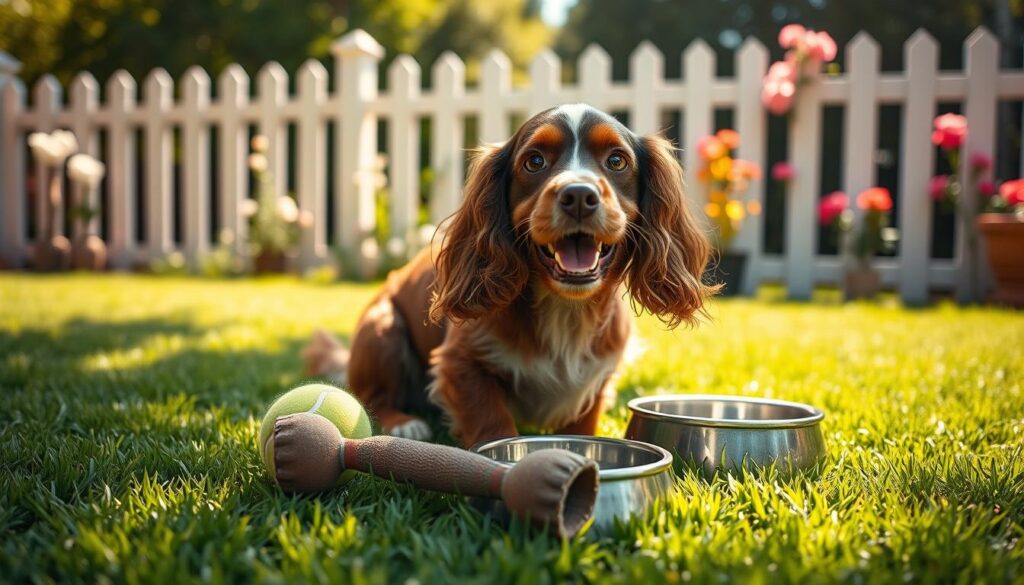
Daily Walks and Interactive Playtime
Morning and evening walks serve dual purposes – burning energy while stimulating senses. Alternate routes between urban paths and nature trails to engage their curiosity. Australian owners find beach outings particularly effective, combining sand sprints with wave-chasing games.
Interactive sessions strengthen bonds while meeting energy levels:
- Flirt pole games mimic prey movements
- Puzzle feeders during meals
- Obstacle courses using garden features
| Activity Type | Duration | Calorie Burn |
|---|---|---|
| Brisk Walking | 30 mins | 150 kcal |
| Fetch Sessions | 15 mins | 200 kcal |
| Scent Work | 20 mins | 180 kcal |
Structured Exercise Routines
Consistency prevents boredom and behavioural issues. Create weekly plans balancing different activities:
- Monday: Swimming sessions
- Wednesday: Agility training
- Saturday: Family hike days
Trainer Liam Carter advises: “Think beyond physical exertion – mental challenges tire them faster than pure cardio.” Incorporate commands into playtime, like “wait” before retrieving balls. This approach satisfies their working heritage while keeping playtime educational.
Adapt routines for Australian seasons – opt for early morning walks in summer and midday outings during winter. Always carry water and watch for overheating signs during high-intensity activities.
Grooming Guides: Keeping Their Coat and Ears in Top Shape
Maintaining that signature silky appearance requires more than occasional brushing. Regular care prevents discomfort while strengthening the bond between owner and pet. Grooming needs vary across life stages, but consistency remains key to managing their luxurious fur and sensitive ears.
Effective Brushing Techniques
Start with the right tools for their medium-length coat:
- Slicker brush for daily maintenance
- Metal comb for stubborn tangles
- Scissors with rounded tips for trimming
Work in sections from neck to tail, lifting layers to reach undercoats. Pay attention to feathering behind legs and ears where mats form easily. For resistant knots:
- Spritz detangling solution
- Finger-separate hairs gently
- Brush outward from skin
Proper Ear Cleaning and Maintenance
Floppy ears require weekly checks to prevent infections. Follow this vet-approved routine:
| Step | Tool | Frequency |
|---|---|---|
| Inspection | Flashlight | Every 3 days |
| Cleaning | pH-balanced wipe | Weekly |
| Drying | Cotton ball | After baths/swims |
Watch for redness or odour – early detection prevents complications. “Regular grooming sessions become therapeutic when paired with praise,” notes Perth groomer Mia Chen. This approach transforms necessary care into quality bonding time.
Behavioural Insights: Understanding and Managing Energy Levels
Balancing activity and relaxation forms the cornerstone of a harmonious household with high-energy pets. Recognising natural rhythms helps owners prevent common behavioural challenges while nurturing contented companions.
Spotting the Signals
Active breeds often communicate needs through physical cues. Restlessness or repetitive pacing may indicate energy levels needing redirection. Sudden chewing of household items often signals under-stimulation, particularly during alone time.
Key indicators include:
- Intense digging in gardens or carpets
- Unusual vocalisation patterns
- Hyper-focus on minor stimuli
Australian owners find success with structured routines. Morning walks paired with afternoon puzzle feeders help regulate exertion. “Watch for eye contact during play,” advises Brisbane trainer Gemma Lee. “Breaking focus shows mental fatigue needing rest.”
Preventative strategies combine physical and mental engagement. Alternate fetch sessions with scent games to satisfy natural instincts. Monitor daily energy expenditure using activity trackers, adjusting exercise time as needed. This proactive approach supports emotional stability while maintaining household peace.

